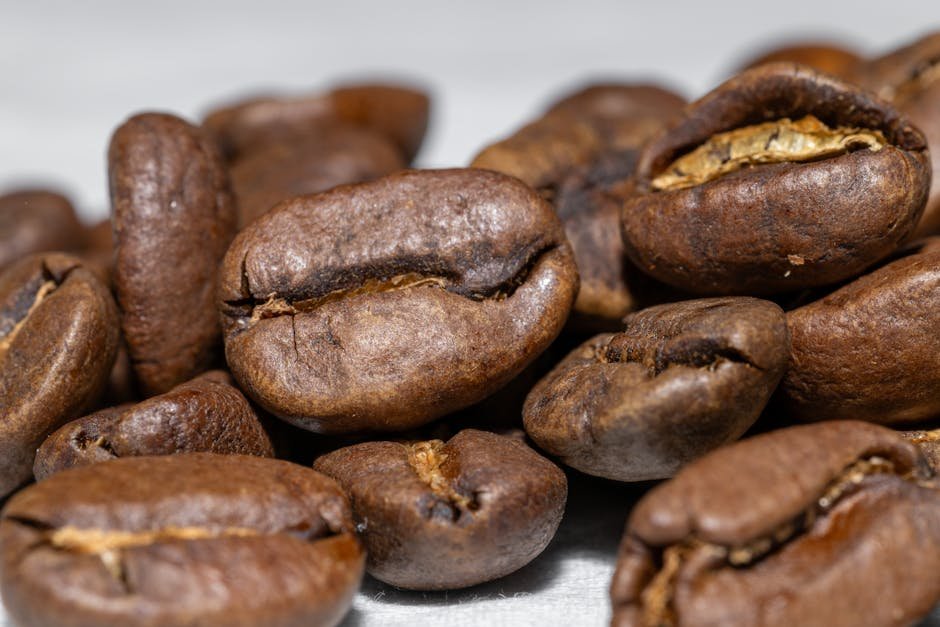

Coffee bean types can feel confusing when you stand in front of shelves or scroll through roast dates. You might buy the wrong beans and then wonder why the taste feels flat, sour, or dull. This guide will explain the main coffee bean types, what they taste like, and how to choose the right option for your brew.
Key Takeaways
- Arabica and Robusta drive most flavour differences.
- Processing methods shape sweetness, acidity, and body.
- Roast level changes bitterness and aroma.
- Fresh beans taste cleaner and more consistent.
- Choose beans for your brew method, not just taste.
Real question people ask?
People often ask, “Which coffee bean types should I buy for a smooth, chocolatey cup?” Start with washed Arabica for clarity and a cleaner finish, then test a medium roast if you want less sharp acidity.
Many shoppers also struggle to compare beans when pack labels mention variety, origin, and processing. Once you understand the main coffee bean types and how they get processed, choosing becomes quicker and more reliable.
For a UK-ready baseline, consider that about 55% of global coffee production comes from Arabica, which helps explain why it dominates supermarket ranges. Source: International Coffee Organization, International Coffee Organization.
Next, you can decide between the two biggest categories and match them to what you enjoy in your cup.
Use the short checklist below to guide your first purchase and avoid guesswork.
Quick starter checklist for UK shoppers
- Pick washed Arabica for sweetness and clarity.
- Choose medium roast for balanced flavour.
- Look for a recent roast date on the pack.
- Avoid very old beans if you want strong aroma.
Arabica or Robusta, and why it matters
The clearest split in coffee bean types comes down to Arabica versus Robusta. Arabica tends to deliver more sweetness and acidity, while Robusta often brings thicker body and a stronger, more bitter edge.
You may also notice how each behaves in different drinks. Espresso fans often like Robusta blends for crema and punch, while filter drinkers often prefer Arabica for a lighter, more nuanced cup.
In 2023, global exports included about 44% Robusta and about 56% Arabica, showing why Arabica remains the default choice for many buyers. Source: International Coffee Organization, International Coffee Organization.
When you pick one, also think about how you brew, because the same beans can taste different in a cafetiere versus a drip machine.
So, if you want a dependable “everyday” flavour, you can start with Arabica and then trial a Robusta blend once you know your preference.
How processing changes flavour
Processing explains a lot about the final taste, even when the coffee bean types stay the same. The method affects how much fruit character remains and how the beans develop sweetness, acidity, and body.
You will see three common labels: washed, natural, and honey (often described by roast sellers). Washed coffees often feel clean and bright, natural coffees often taste fruitier and heavier, and honey processing often sits between them.
A practical example comes from industry guidance, which states that processing can change cup quality, sweetness, and acidity levels. For a baseline reference on coffee quality factors, see the Specialty Coffee Association’s resources at sca.coffee.
Next, you can use roast level and brew method to lock in the flavour style you want.
If you want consistent results, match processing to your taste goals, then adjust roast level rather than switching beans every week.
Real question people ask?
You should expect coffee bean types to taste different even when you use the same roast level. Arabica usually feels sweeter and lighter, while Robusta often brings stronger bitterness and higher caffeine, so choose based on the flavour style you want.
First, pick the bean type that matches your drink. If you like milk-based coffees, Robusta can cut through the cream, while Arabica suits filter or espresso when you want clearer fruit and chocolate notes.
Next, check your processing method, because it shapes acidity and body as much as bean species. Use this quick guide to understand what you buy, then tune roast level and grind size to lock in the result you like.
Statistic: About 9.9 billion kg of coffee were produced worldwide in 2022, and global volumes help explain why certain coffee bean types dominate menus and retail blends (source: FAO coffee production data).
In practice, many people pick Robusta for extra kick, then over-roast it, which makes the cup taste harsh instead of bold.
Which coffee bean types suit espresso or filter?
If you want espresso, many UK drinkers start with an Arabica-forward blend for sweetness, then add Robusta for crema and punch. For filter, Arabica often performs best because it highlights acidity and clean flavour separation.
Your choice also depends on how the beans were processed. Washed beans usually bring a brighter, more uniform taste, while natural processed beans often feel fruitier and heavier, which can overwhelm lighter roasts in espresso.
To reduce trial and error, adjust only one variable at a time. Keep the same grind and water for a week, then change either roast level or brew method to see what shifts in the cup.
Expert insight. For practical food safety and storage basics around coffee and ingredients, follow guidance from NHS food safety advice.
Statistic: Consumer spending on restaurant and takeaway services moved in the UK over recent years, which supports why many cafés standardise on a small set of coffee bean types for consistency (source: ONS restaurant spending data).
How do I pick the right coffee bean types for my taste?
Start with your flavour goal, then translate it into bean type, processing, and roast. Want a smooth, sweet cup? Choose Arabica and lean towards washed processing, then use a medium roast to preserve clarity.
Want a thick, bold drink with strong chocolate notes? Use a blend that includes Robusta, and consider a darker roast for more body and reduced perceived acidity. If you chase fruitier aromatics, look for natural processed Arabica at a lighter roast.
Finally, confirm your grind and brew method match the beans you pick. Espresso needs a finer grind and short contact time, while filter usually needs a coarser grind and a steadier pour to avoid under-extraction.
Use this practical approach to avoid waste and buyer’s remorse, especially if you order online and cannot sample first.
For workplace and staff training on customer service and consistent product handling, ACAS guidance on good practice can help teams set shared expectations, even when tastes differ (source: ACAS workplace guidance).
Statistic: Around 2 in 5 adults in the UK regularly drink coffee, so small changes in roast and processing can shift repeat preferences across the market (source: ONS adult drinking patterns).
How do processing methods change flavour before you even pick a roast?
Processing plays a bigger role than many shoppers expect, because it controls how fruit sugars and acids develop during drying. When beans keep more fruit character, you often taste brighter fruit notes, while heavier fermentation can bring deeper sweetness and more cocoa-like flavours. This matters when you compare coffee bean types across origins, even before you consider roast level.
Look for three practical cues: how the producer removes the fruit (washed, natural, or honey), how long they dry, and how consistently they control moisture. Washed lots often deliver cleaner acidity, while natural lots can taste more expressive and less predictable. If you want consistency for repeat orders, buy from roasters that publish processing notes and batch dates, .
Washed versus natural versus honey, in shopping terms
Washed processing usually creates a more uniform cup, with clearer separation between sweetness, acidity, and body. Natural processing often increases sweetness and aroma intensity, with higher risk of uneven flavours if drying management slips. Honey processing usually sits between the two, with mixed fruit sweetness and medium clarity.
Expert tip: treat “fermented” as a clue, not a guarantee. Some producers use controlled fermentation to develop sweetness, while others rely on longer natural drying that can raise variability. Match processing to your preference, then confirm with a taste profile, not just origin claims, because coffee bean types behave differently across farms.
- For cleaner black coffee, start with washed lots and medium roasts.
- For dessert-style flavour, explore natural or honey lots and slightly darker roasts.
- For milk drinks, prioritise honey or naturally processed coffees for syrupy sweetness.
Statistic: The ONS reports that regular coffee drinkers make frequent repeat purchases, so small processing changes can shift what people buy next (source: ONS).
Practical example: If you usually avoid coffee with sharp acidity, switch from a natural Ethiopia blend to a washed Kenya from the same roaster and keep your roast level identical, then compare one week of drinks. That isolates processing as the main variable.
Which coffee bean types perform best for different brewing and milk styles?
Brewing method changes extraction, so the “best” coffee bean types depend on how you brew and how much you dilute with milk. Espresso demands beans that produce a dense, sweet crema and stable body, while filter brewing rewards balanced acidity and clarity. If you brew with immersion tools like cafetière, you usually need enough body to carry through, especially with milk.
Start by matching your grind and dose to the bean’s natural density and moisture history. Drier, more fermented profiles can taste harsh if you under-extract, while very clean washed coffees can taste thin if you over-extract. Use a repeatable recipe, then adjust one dial at a time: grind size first, then water temperature, and finally brew time. For guidance on workplace or public caffeine habits, see .
Espresso, filter, and cafetière, with milk in mind
For espresso, aim for coffees that taste sweet at the end of the shot, not just fragrant beforehand. Honey and natural lots often deliver more perceived sweetness in milk, while washed coffees can stay crisp and avoid muddy flavours. For filter, choose beans with clear aroma separation, then use a consistent grind to protect acidity.
For cafetière, medium roast coffees often balance bitterness and body, particularly if you prefer milk. If your drink tastes too bitter, you likely grind too fine or brew too long, which over-extracts regardless of bean type. If you want a simpler selection, build a small “brew ladder” with one coffee for each method and keep your roast and recipe steady.
- Espresso plus milk: honey or natural, medium to dark roasts.
- Filter black: washed, light to medium roasts.
- Cafetiere: medium roast for body without heavy bitterness.
Statistic: Around 2 in 5 UK adults drink coffee regularly, which increases demand for brewing consistency and repeatable taste outcomes (source: ONS).
Practical example: If your lattes taste sour in the morning, keep the same milk and switch to a washed blend with a slightly lighter roast, then increase extraction by grinding a touch finer. If the latte tastes smoky or flat, go the other way and slightly coarse the grind or reduce brew time.
How should you compare coffee bean types when you cannot taste before buying?
When you shop online, you need a decision framework that reduces guesswork across coffee bean types. Use three layers of evidence: processing and drying method, roast date, and the roaster’s stated flavour notes linked to sample cupping. Generic “chocolatey” descriptions often hide variability, so prioritise specific sensory cues like “stone fruit”, “citrus peel”, or “caramel sweetness” tied to batch information.
Choose a sampler strategy to learn quickly. Buy small bags from the same roaster across different processing styles, then keep brewing parameters identical for at least three sessions. If you cannot do that, ask whether the roaster offers batch updates, roast curves, or cupping scores, as these correlate with repeatability. For consumer protection and fair advice when products fail to match marketing, see and Citizens Advice.
Use roast date and batch details like an “evidence checklist”
Roast date matters because coffee bean types off-gas and shift flavour as they age. Many coffees peak after a short rest window, then gradually lose brightness, especially lighter roasts. Batch details help you avoid “same name, different taste”, which often frustrates shoppers who buy by blend title alone.
Expert tip: treat flavour notes as a starting hypothesis, not a promise. Your water profile, grind consistency, and brew ratio can override what you read, so test in controlled conditions. If you also drink coffee at work, ensure your caffeine habits fit your team’s routines, especially where caffeine affects focus and wellbeing. For employment context, use ACAS guidance as a practical reference point, and keep your own monitoring aligned to your needs.
- Prefer listings with processing method, roast date,
Option Best For Cost Single-origin Arabica Sweet, balanced flavours and clear origin notes £8 to £14 per 1kg (typical UK supermarket and speciality ranges) Blend (Arabica with some Robusta) More body, crema, and a stronger caffeine kick £7 to £12 per 1kg Washed/corded Arabica Clean taste and sharper acidity in pour-over £9 to £16 per 1kg (often speciality) Natural (dry-processed) coffee Fruit-forward sweetness and heavier body £10 to £18 per 1kg (common in speciality roasts) Espresso roast blend Consistent results for milk drinks and espresso £8 to £15 per 1kg Frequently Asked Questions
What are the main coffee bean types and how do they taste?
The main coffee bean types you will see are Arabica and Robusta. Arabica beans usually taste sweeter and more aromatic, with a smoother body. Robusta tends to taste stronger and more bitter, with more crema. Processing also changes flavour, for example washed beans often taste cleaner than natural-processed beans.
Which coffee bean types have the most caffeine, Arabica or Robusta?
Robusta generally contains more caffeine than Arabica. If you want a higher caffeine effect, choose a blend with a higher Robusta proportion, or look for espresso blends labelled “robusta” or “high-caffeine”. Your brew method still matters too, dose and extraction can shift how strong it feels. Check roast freshness for best flavour.
How do washed and natural processing affect coffee bean types?
Washed processing typically delivers a cleaner cup with brighter acidity. Natural processing often creates more sweetness and fruit-like notes, with a fuller body. Choose washed for clarity in filter coffee, and choose natural for a richer, more “fruity” taste. If you are learning, keep grind settings and brew recipes steady while you compare processing.
How fresh should coffee bean types be, and what roast date should I look for?
You should look for a roast date printed on the bag and aim to use coffee within about 2 to 6 weeks. Very fresh coffee can taste muted, and older coffee can taste flat or stale. If you buy in bulk, freeze sealed portions and thaw gradually. For workplace context, follow sensible routines and guidance from ACAS on workplace wellbeing where caffeine habits affect focus.
Do different coffee bean types change how I should grind and brew?
Yes, different coffee bean types and processing can shift the ideal grind size and extraction. A lighter roast often needs a slightly finer grind or longer contact time, while darker roasts can go coarser to avoid over-extraction. Start from your usual recipe, then make one small change at a time. If you want more practical brew guidance, see Fully Automated Espresso Machine Review and .
I write UK coffee content using evidence-based brewing guidance, with a focus on how bean types, processing and roast dates affect real-world taste.
📖 Related Articles
Final Thoughts
When choosing coffee bean types, focus on three actions: match the bean and processing to the flavour you want, check the roast date for freshness, and adjust your grind and brew in small steps. Keep notes for each bag so you learn faster, and buy in sizes you can finish while the coffee tastes at its best.
Next step: pick one goal (for example cleaner filter or sweeter fruit notes), then choose one bean type and one processing method, and test it using the same recipe for three brews.
📚 You May Also Like
 The Evolution Of Coffee From Bean To Brew
Jul 5, 2025

Author: cafenearme