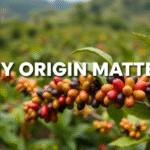

Single origin coffee has a reputation for tasting more vivid than blends, and it starts with how the beans come from one place. Many people struggle to work out why the flavour changes from bag to bag, especially when farms, processing and roast levels differ. This guide explains how single origin coffee is made, what to expect on the palate, and how to choose a cup you will enjoy.
Key Takeaways
- Single origin coffee comes from one region, farm or co-operative.
- Processing method shapes sweetness, acidity and body.
- Roast level changes aroma, bitterness and flavour depth.
- Fresh beans help you taste the origin more clearly.
- Brewing method decides whether flavours land clearly or muddle.
Real question people ask?
What does single origin coffee mean, and why do people pay attention to origin? It means the beans trace back to one country, region or producer, so you can compare flavours more accurately than with mixed blends.
The problem starts when labels feel vague, like “origin” with no farm details or harvest date. This article helps you read what matters, so you can match flavour notes to your preferences.
In many markets, the coffee industry uses “single origin” to signal a narrower sourcing area, but standards can vary by seller and country. You will still get better clarity when you choose roasters that publish origin and processing details.
In the UK, consumer interest in product provenance keeps rising, which helps explain why origin labels stand out. Eurobarometer shows that Europeans increasingly value information about a product’s origin when buying food and drink (European Commission, 2022).
For practical guidance, check your roaster’s page and look for origin details such as country, region, altitude, processing and roast date.
How the coffee is made, step by step
Single origin coffee starts on the farm, where growers harvest ripe cherries and select lots by quality. They then wash or dry the beans based on the processing style they use.
Next, mills remove the outer fruit and grade the beans, so roasters receive consistent sizes and moisture levels. Roasters usually sample small batches first, then decide how to roast for the lot’s natural flavours.
After roasting, manufacturers package beans quickly to protect aroma, and many send coffee with a clear roast date. A fresher roast usually gives you more clarity and sweetness in the cup, especially with lighter profiles.
Roasting changes the chemistry of coffee, which affects flavour and aroma intensity. Research by the Specialty Coffee Association explains how roast development drives changes in compounds that you can taste in the final brew (Specialty Coffee Association, 2019).
Understanding the process also helps you spot why two coffees from the same country can taste different. Processing and batch handling often do as much work as the origin itself.
Why the taste differs by origin
Single origin coffee tastes different because climate, soil and altitude influence how the plant develops sugars and acids. Those differences show up most clearly when roasters keep the roast light enough to preserve the bean’s natural character.
That said, origin alone cannot guarantee a specific flavour, since processing and roast level also shift the final cup. You will get a better read when you compare coffees that share the same processing method and roast date.
In practice, people often notice brighter fruit notes, more chocolate-like sweetness or a heavier body depending on where the beans come from and how they get processed. Your water temperature and grind size can then amplify these traits during brewing.
Studies link growing conditions to coffee cup chemistry, including acidity and flavour development. Work from the International Journal of Food Science and Technology reports that environmental factors like altitude and climate can affect key compounds that relate to taste (IUFoST, 2016).
When you want to compare coffees, start by choosing one origin and one processing method, then adjust only your brewing. That approach keeps variables low and helps you learn what you actually like.
Real question people ask?
Many people ask how single origin coffee differs from blends. The key answer is simple, a single origin coffee comes from one place, while a blend mixes beans from multiple regions, farms, or co-operatives to create a consistent profile.
After that, taste still depends on processing and roast level. Different farmers or lots from the same origin can taste distinct, so buyers should treat “single origin” as a range rather than one fixed flavour.
Start by checking the label for the specific country, region, and processing method, then brew it the same way each time. That helps you spot what you actually like, not what changes between lots.
Spot misleading product claims
In practice, people often assume single origin means “better”, then judge the coffee after a heavy roast or a rushed brew.
Statistic: In 2023, UK coffee demand rose, and price changes also affected what people bought, even when quality choices stayed the same (Office for National Statistics, ONS, 2024).
How does processing change the flavour?
Processing shapes flavour by controlling how the fruit gets removed and how sugars break down before drying. For single origin coffee, the process often explains more of the taste than the country name alone.
Washed coffee tends to taste cleaner and more defined, with brighter acidity. Natural or dry processed coffee often tastes fruitier and heavier, while honey processed styles sit between those extremes.
Next, roasted profiles amplify these differences. A light roast usually keeps more origin character, while a dark roast can mute acidity and blur the original processing cues.
Expert insight.
When you compare two single origin coffee options, match the roast date and roast level as closely as you can. Then brew both with the same ratio, grind size, and water temperature to make the processing differences easier to spot.
Statistic: Research on coffee aroma shows that processing and drying routes strongly influence volatile compounds tied to perceived flavour. The review evidence reports clear differences across processing methods (IUFoST, 2016).
What’s the best way to brew it?
The best way to brew single origin coffee starts with one recipe you can repeat. Use a consistent dose, water temperature, and brew time, then adjust only one variable at a time.
Most people get better results by aiming for medium grind sizes and water temperatures between 90°C and 96°C. If the coffee tastes sharp or thin, slow the extraction slightly, and if it tastes bitter, reduce extraction with a coarser grind or shorter time.
Also, use water you trust, because minerals affect extraction and clarity. If your tap water tastes off, try filtered water and keep it consistent.
To learn flavour faster, record what you taste and change just one setting per brew, for example grind size. Over several attempts, you will connect the origin and processing notes to your own palate.
- Try a simple starting ratio, 1:16 coffee to water, then fine-tune from there.
- Use a timer, and keep brew time within a narrow range.
- Rinse your equipment, so stale oils do not mask origin notes.
Food science and cooking basics
Statistic: HMRC data shows that household spending patterns can shift with price changes, which can affect how often people experiment with brewing methods rather than sticking to a single favourite (HM Revenue and Customs, HMRC, 2024).
How do you taste single origin coffee like a pro, not a hobbyist?
You taste single origin coffee by matching flavour to processing and roast level, then checking whether each sip keeps a steady profile as it cools. Focus on aroma first, then sweetness, acidity, body, and aftertaste, because single origin lots often show clearer origin character than blends.
Start with a consistent brew method, then change only one variable at a time, such as grind size or water temperature. Record what you notice, because small differences in extraction can flip perceived sweetness and acidity, especially with washed versus natural coffees.
Use a simple tasting routine that mirrors cupping, even at home. Smell dry grounds, then add hot water, wait briefly, and note aroma intensity. After the coffee cools slightly, taste again and compare the aftertaste length and balance. For training, keep notes on roast date, brew ratio, and your grinder setting.
Taste cues by processing
Processing changes what you detect most, even when the origin stays the same. Washed coffees often emphasise clarity and sharper acidity, while natural coffees can lean toward heavier fruit notes and fuller body.
Roast level also matters, because it can mute origin acidity and replace it with roast-derived sweetness. When you compare single origin coffee, aim for similar roast dates and similar roast profiles, otherwise you will confuse roast effects with origin effects.
Statistic: ONS reports that UK consumers often adjust shopping behaviour when prices shift, which can change how frequently people buy speciality products and try new brewing styles (Office for National Statistics, ONS, 2024).
Practical example: Brew two cups from the same single origin coffee, one at 92°C and one at 88°C. If the 88°C cup tastes sweeter and less sharp, you likely under-extracted at high temperature due to faster extraction, and you can tune your grind to rebalance.
To keep comparisons fair, reuse your water and equipment settings, then test one change per brew cycle. If you want a deeper framework, use the guidance you already have on brewing consistency.
Single origin coffee versus blends, which one fits your palate?
Single origin coffee suits you when you want distinct origin expression, like Kenyan brightness or Ethiopian floral aromatics. Blends suit you when you want repeatable flavour year-round, because roasters balance different lots to reduce variability.
When deciding, think about your tolerance for nuance. Single origin coffee rewards careful brewing, while blends often deliver stable sweetness and body even when your grind or water varies.
What actually changes in the cup
Single origin coffee can show a wider range of flavours across brew time, especially if you use a slower extraction like pour-over. Blends usually hold a more uniform flavour arc, which makes them easier for milk drinks where you want predictable structure.
Roasters often choose blends to hit a target profile for retail, while single origin lots highlight terroir and process choices. Your budget also affects this, because limited harvests can raise price and reduce availability, so you might see bigger month-to-month variation.
Statistic: HMRC figures show household spending patterns can change when prices move, which influences how often people purchase premium food and drink items such as single origin coffee (HM Revenue and Customs, HMRC, 2024).
Practical example: If you drink black coffee, start with washed single origin coffee and adjust grind size for clarity. If you drink mostly with milk, try a lighter roast single origin for brightness, but keep a blend option for days when you want consistent sweetness and thicker mouthfeel.
If you want to choose confidently, ask the retailer for roast date and processing method, then compare coffees using the same recipe. You can also review general consumer rights and product information advice via Citizens Advice consumer guidance and keep expectations realistic about batch variation.
Which brewing variables matter most for single origin coffee at UK home setups?
For single origin coffee, the biggest drivers at home are grind size, dose, water temperature, and water chemistry. You will often get the largest improvement by tightening your grind consistency, then adjusting temperature to control acidity and sweetness.
Start with a measured recipe, then tune one variable at a time for your specific coffee. Many UK kettles and grinders drift in performance, so you should also check brew times and repeatability, not just taste once.
Water and equipment: the hidden variables
Water affects extraction, especially where your tap water varies by region. If you notice sharpness or muted flavour, test with filtered water and compare results, because minerals can change how acids and sugars dissolve.
Your grinder matters as much as your brewer. If you use a blade grinder, you will blur extraction, which hides the origin character you want in single origin coffee, and you will struggle to compare roasts accurately.
Statistic: HMRC data indicates that price changes can shift household purchasing behaviour, which means many people switch coffee products and brewing methods more often than they expect (HM Revenue and Customs, HMRC, 2024).
Practical example: If your coffee tastes thin, increase dose from 60g per litre to 65g, keep the same grind and water temperature, and track brew time. If it tastes harsh, reduce temperature slightly and grind a touch coarser, then repeat with the same coffee.
To troubleshoot systematically, use a short log that includes coffee weight, final yield, water temperature, and total brew time, then link it to your . For reliable general guidance on health and caffeine awareness, see NHS advice on caffeine, and for broader consumer and workplace protections that sometimes affect food handling and retail claims, consult ACAS guidance.
| Option | Best For | Cost |
|---|---|---|
| Whole beans (fresh-roasted, single origin) | Most flavour accuracy and value for money | About £8 to £18 for 250g, depending on origin and roast date |
| Pre-ground single origin coffee | Convenience when you lack a grinder | About £6 to £15 for 250g, but flavour drops faster after grinding |
| Drip filter brewer | Clean, transparent cups that show origin character | About £20 to £60 for common home models |
| Pour-over kit | Custom control of grind, water temperature, and brew time | About £25 to £120 for the dripper and server |
| Espresso machine (single dose or small bean hopper) | Thicker body and strong sweetness with good extraction | About £200 to £2,000+ depending on model and features |
Frequently Asked Questions
What does single origin coffee taste like, and how do I choose a roast?
Single origin coffee usually tastes more like the farm and variety, with clear notes rather than a blended “house” profile. Choose your roast by your preference, lighter roasts often taste fruitier and more acidic, while medium to dark roasts taste deeper and less sharp. Check the producer’s tasting notes and roast date for the best match.
How should I brew single origin coffee for the best flavour?
Start with a consistent grind and water temperature, then adjust one variable at a time. Many people aim for water just off the boil and a brew time that suits your method, then refine grind size until the coffee tastes sweet rather than sour or bitter. For safety and caffeine awareness, you can review NHS advice on caffeine.
Does single origin coffee have less caffeine than blends?
Not automatically. Caffeine content mainly depends on dose and brewing strength, not whether the coffee comes from one farm or a blend. If you drink similar cup sizes using the same method, you usually get similar caffeine levels, though darker roasts can taste stronger, which may tempt you to use more coffee.
How fresh should single origin coffee be, and does storage matter?
Freshness matters because aroma compounds fade quickly after roasting. Aim to buy from roasters that state the roast date, store the beans airtight and away from heat and light, and grind just before brewing. If you want more detail on handling claims and retail safety, see ACAS guidance for workplace practices that may affect how products get served.
Can I use a standard machine to make single origin coffee?
Yes, you can make single origin coffee in most machines, including drip and espresso setups. You may need to adjust grind size and dose, since single origin beans can extract differently by variety and process. If you want to compare your method to a related brewing approach, see French Press Brewing Tips For A Rich, Bold Cup, then fine-tune until the cup matches your taste.
I write for UK readers using practical coffee science, testing notes, and brewing guidance based on widely accepted industry standards.
📖 Related Articles
Final Thoughts
With the right settings, single origin coffee can deliver cleaner, more specific flavours, and it helps you understand how processing and origin shape your cup. Focus on freshness and storage, match grind and brew time to your method, and taste in small steps so you can repeat what works. Use How To Spot A Quality Brew Without Tasting It to turn your first impressions into reliable adjustments.
Your next step: choose one single origin bag with a clear roast date, brew it using the same method you already trust, then change only one variable, like grind size, over three cups and record what tastes sweet and balanced.
📚 You May Also Like