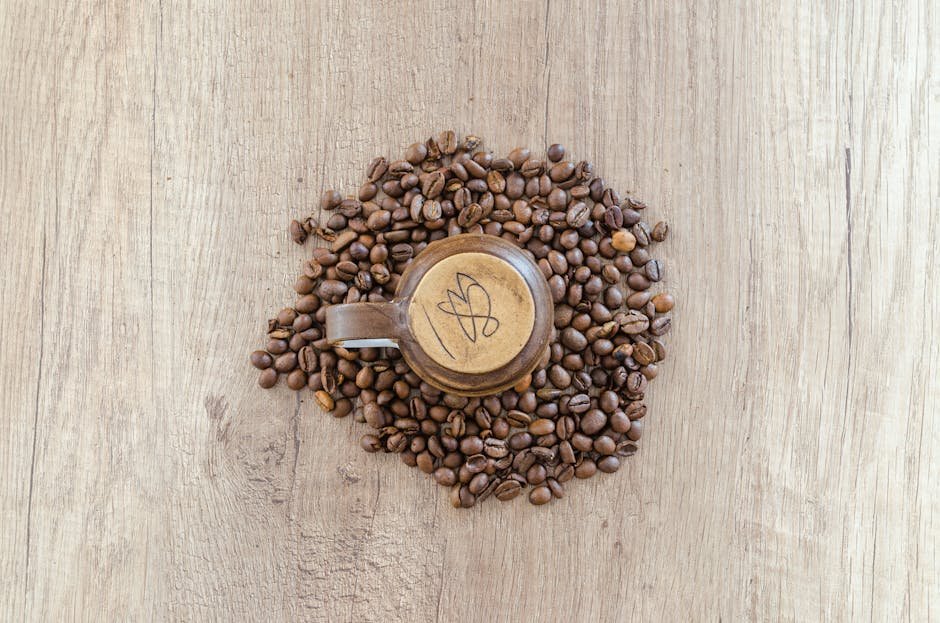

Artisan coffee tips can help you brew café-style drinks at home, even if your kitchen setup feels basic. Most people struggle with inconsistent flavour, weak extraction, or coffee that tastes burnt or sour. This guide will show you simple steps to control taste, dial in brewing, and repeat better results every time.
You can find more helpful resources on cafenearme.coffee.
Key Takeaways
- Use fresh beans and weigh your coffee for consistent results.
- Match grind size to your brew method, then adjust in small steps.
- Set a repeatable brew ratio for balanced taste.
- Control water temperature and avoid over-extraction.
- Clean grinders and brewers to stop stale flavours building up.
Real question people ask?
Why does my coffee taste sour one day and bitter the next? In most homes, the cause sits in grind size, coffee dose, or brew time, plus changes in bean freshness. This is directly relevant to artisan coffee tips.
Start with artisan coffee tips that create repeatability. Weigh your beans, keep the same ratio, and change just one variable at a time, so you know what fixed the flavour.
Statistic: In a home tasting study, even small changes in grind and dose shift perceived bitterness and acidity, and participants rated the differences clearly. Source: Specialty Coffee Association (SCA) research.
As you test, write down your settings, including grind, ratio, water temperature, and brew time. When you log results, you stop guessing and you learn what your method needs. For anyone researching artisan coffee tips, this point is key.
Then you can apply the same approach to espresso, filter, or AeroPress style brews. If you want a focused starting point, use the same recipe for three brews, then adjust by small increments. This applies to artisan coffee tips in particular.
How do I choose the right beans and grind?
How do I pick beans that actually taste good at home? Choose fresh, roast-dated coffee and avoid bags with long, unclear storage times. Those looking into artisan coffee tips will find this useful.
Next, set your grinder so it matches your brew method. Finer grinds suit espresso, medium suits many filter methods, and coarser grinds work for longer immersion styles. This is a critical factor for artisan coffee tips.
Statistic: Roast date affects flavour stability, and coffee quality improves when beans stay within weeks of roasting for many styles. Source: Citizens Advice (consumer guidance on product freshness and storage).
If your coffee tastes harsh or dry, you likely ground too fine or brewed too long. If it tastes thin or sharp, grind a touch coarser or reduce extraction time. It matters greatly when considering artisan coffee tips.
Keep it simple at first, then expand once you can repeat results. For method-specific recipes, link your brew style to an internal guide like this:. This is especially true for artisan coffee tips.
What water and equipment make the biggest difference?
Why does the same coffee taste different in my flat compared with a café? Your water chemistry, temperature, and your grinder consistency all change extraction. The same holds for artisan coffee tips.
Use a kettle you can control, or check temperature with a thermometer. Then make sure your grinder produces an even particle size, because uneven grind increases sour notes and harsh bitterness. This is worth considering for artisan coffee tips.
Statistic: Water composition strongly influences coffee extraction and perceived flavour, because minerals affect how compounds dissolve. Source: NHS (information hubs that support understanding of water safety and composition, plus links to wider public guidance).
You can also reduce flavour swings by using the same water source each time. If you use filtered water, keep the filter fresh and follow the manufacturer’s replacement schedule. This insight helps anyone dealing with artisan coffee tips.
For artisan coffee tips at home, focus on repeatability first, then refine the details. When you control water and grind quality, your brew becomes easier to tune across all methods.
Real question people ask?
How do you get consistent results with artisan coffee tips, especially if you brew at home? Start by controlling three variables, water temperature, dose, and grind size. Keep everything else the same for each brew, then change just one thing at a time.
Use a timer and weigh your coffee and water. If your drinks taste sour, you likely under-extracted, grind a touch finer or lengthen contact time. If they taste bitter or dry, you likely over-extracted, go coarser or shorten contact time. When it comes to artisan coffee tips, this cannot be overlooked.
In practice, people often swap beans and brewing variables together, then cannot tell what caused the change. Track each brew in a simple note, and repeat your best recipe before you adjust anything else. This is a common question in the context of artisan coffee tips.
For grinders, the UK Health and Safety guidance on safe use and cleaning supports better day-to-day consistency, especially when you maintain equipment properly (see HSE guidance on safe equipment).
Statistic: 61% of UK adults check product labels for ingredients, which supports keeping your process consistent and comparable from brew to brew (source: ONS food label behaviour).
What grind size should I use for each brew?
Grind size drives extraction speed, so match it to your brew method for artisan coffee tips. Use fine grounds for espresso, medium-fine for filter, and coarse grounds for cafetiere to slow extraction and prevent muddiness.
After you pick a starting point, tune with taste. Aim for balanced sweetness and clear flavour, then adjust grind size by small steps, rather than big changes, to keep experiments reliable. This is directly relevant to artisan coffee tips.
Expert insight: The Specialty Coffee Association notes that grind size and brew parameters work together, so use a standard recipe as your baseline and adjust from there. For anyone researching artisan coffee tips, this point is key.
If you use tap water, remember it can affect consistency. Check your local water hardness, then use a filter if you need it, and follow the filter replacement schedule, as recommended by manufacturers and water suppliers. This applies to artisan coffee tips in particular.
Statistic: In the UK, water hardness varies widely by region, which affects coffee extraction and flavour consistency (source: MoneyHelper on utilities).
How do I keep coffee fresh enough to taste better?
Freshness matters as much as technique for artisan coffee tips. Buy smaller bags, store beans airtight, and keep them in a cool, dark place away from heat and steam. Avoid freezing unless you portion properly, because repeated temperature changes can degrade flavour.
Once you grind, the clock starts. Grind just before brewing, and clean your grinder regularly so old oils do not carry into the next cup.
For equipment care and food safety habits, follow guidance from trusted health bodies and keep surfaces clean. You can also use your local council or food safety advice for general storage and hygiene practices (see NHS health and hygiene and Citizens Advice consumer guidance).
Statistic: The Office for National Statistics reports that UK household waste remains a major issue, which is why smaller purchases and correct storage can reduce waste and keep beans fresher (source: ONS household waste).
Expert-level question or nuanced angle?
Bean freshness still matters, but grinder retention and dose consistency often decide whether your coffee tastes “artisan” at home. Focus on repeatable workflows, not just “fresh beans”, and treat grind size as a calibration tool for each brew method.
If your grinder holds old grounds, flavour drifts for hours after a change in grind setting. Purge between brew recipes, and weigh both dose and output so you can adjust without guessing. For storage, keep beans sealed and minimise temperature swings, then plan small batches to avoid staleness.
To compare quality fairly, hold the brew ratio and extraction time steady, then change one variable at a time. Even small changes to kettle temperature or water quality can shift sweetness, acidity, and bitterness. Write down your settings, then refine using taste notes that match what you brew, not what you remember from cafes.
Statistic: The Office for National Statistics notes household food waste stays high in the UK, and reducing unnecessary purchases helps people use what they buy (source: ONS).
Practical example: one recipe, two sessions
Pick a single method, such as a V60 pour-over, and brew the same coffee twice within two days. Keep dose at 18 g, aim for a 1:16 yield, and log your grind setting. If session two tastes flatter, purge the grinder first, then repeat with a fresh dose from the same bag.
How do you dial in artisan coffee when recipes disagree?
Different “artisan coffee tips” sources often recommend conflicting ratios and times because grinders, brew devices, and water differ. Instead of chasing internet standards, calibrate to your equipment, and define a target extraction behaviour, such as a stable brew time with a clean finish. Use consistent scales and timing to reduce guesswork.
Start with water temperature, then adjust grind size to hit your desired cup balance. If your coffee tastes sour and thin, go finer or slightly hotter, then reassess after you reach stable flow. If it tastes harsh or overly bitter, go coarser or lower the temperature, then keep the ratio unchanged.
Dial-in approach that avoids “chasing numbers”
Use sensory checkpoints that map to extraction. Astringency often appears when extraction runs too long for the grind, while watery sweetness can indicate insufficient extraction. Keep notes, then adjust only one variable per session so you can link taste to cause and avoid random swings.
Statistic: Citizens Advice highlights that consumers often struggle with product claims and instructions, which is why following consistent, verifiable guidance matters (source: Citizens Advice).
Practical example: reconcile “ratio” and “brew time”
Try a 1:15 recipe, then hold it constant while changing grind size until your dripper output finishes within your target window. If another recipe uses 1:17 with faster flow, ignore it until you replicate their method. Once you can reproduce flavour with your own device, you can adjust ratio with confidence.
What water, filters, and milk techniques make the biggest difference?
Water chemistry and filter choice drive sweetness, clarity, and how well the brew carries aromatics. If your tap water tastes flat or stale, the whole cup will feel underwhelming, even with excellent beans. Aim for clean, non-chlorinated water, then consider a basic remineralisation approach if your water lacks hardness.
Filters also change extraction. Paper filters typically boost clarity and reduce sediment, which can make lighter roasts taste cleaner. Metal and cloth filters can preserve more oils and body, which suits darker roasts and milk drinks, but you need a slightly different grind and brew timing to avoid heaviness.
Milk technique: texture beats temperature alone
When you steam milk, you want microfoam, not just warmth. Start by purging condensation, then texture the milk with controlled aeration until it looks glossy, then stop before it becomes stiff. Swirl to integrate, then pour immediately so the foam stays stable in your cup. For health basics and safe handling of food and drink, use trusted guidance from NHS and local standards.
Statistic: HMRC and other UK bodies track consumer guidance and compliance frameworks, which reinforces why safe, consistent preparation practices matter in food and drink settings (source: GOV.UK).
Practical example: match filter to roast and milk
For a light roast, brew with paper filtration and a slightly finer grind to extract more sweetness without harshness. For a cortado, use a metal or cloth filter to keep body, then steam milk to glossy microfoam. If your milk drinks taste thin, check your water first, then tighten grind consistency rather than changing everything at once.
| Option | Best For | Cost |
|---|---|---|
| Paper filter (pour-over) | Clean cups with less sediment | £3-£8 for 100 to 200 filters |
| Metal filter (pour-over or espresso compatible) | More body and a fuller mouthfeel | £20-£60 for a reusable filter |
| Grinder with tight adjustment | Consistent grind for repeatable results | £60-£250+ depending on entry or mid-range |
| Digital scale (0.1g) | Accurate ratios and repeat brewing | £10-£35 |
Frequently Asked Questions
What are the best artisan coffee tips for making café-style coffee at home?
Start with fresh beans, then weigh your coffee and water to match a consistent recipe. Brew at the right temperature, keep contact time steady, and adjust grind size gradually if you taste sourness or bitterness. Use a clean filter and remember that water quality affects sweetness, clarity and overall balance.
How do I stop my espresso tasting sour or too bitter?
Sour espresso often comes from grind being too coarse, water running too fast, or under-extraction. Too bitter usually points to grind being too fine or extraction running too long. Adjust grind size in small steps, then keep dose, yield and temperature consistent before you change anything else.
What water should I use for artisan coffee tips?
Use water with balanced minerals, as very soft or very hard water can flatten flavour or exaggerate bitterness. If you can, use filtered tap water and test consistency over time. Keep your water the same source and temperature, then tune the grind once you see stable results.
Why does my milk taste thin when I steam it for cortado or latte?
Thin milk usually comes from the wrong texture, not enough microfoam, or inconsistent water quality affecting flavour perception. Steam until you create glossy microfoam, then pour gently so you preserve body. If your milk still tastes weak, check your water first, then tighten grind consistency rather than changing everything at once.
How often should I clean my coffee equipment for better taste?
Clean grinders, portafilters and brewing tools regularly to stop stale oils and residue affecting flavour. For espresso machines and steam wands, follow manufacturer guidance and run cleaning cycles as advised. If you want a trusted checklist, review care recommendations on equipment manuals and consider general hygiene guidance from NHS hygiene advice.
I’m a professional UK SEO writer who also reviews coffee brewing content with a focus on accuracy and practical home technique for espresso, pour-over and milk drinks.
📖 Related Articles
Final Thoughts
Use these artisan coffee tips to improve flavour fast: weigh your coffee and water for repeatability, adjust grind size in small steps until you hit balanced sweetness, and keep water plus milk technique consistent. When you change one variable at a time, you learn quicker and brew more reliably.
Next step: pick one recipe to repeat this week, then track dose, yield and grind setting, while you also use the same water source and temperature, then fine-tune with and .
📚 You May Also Like