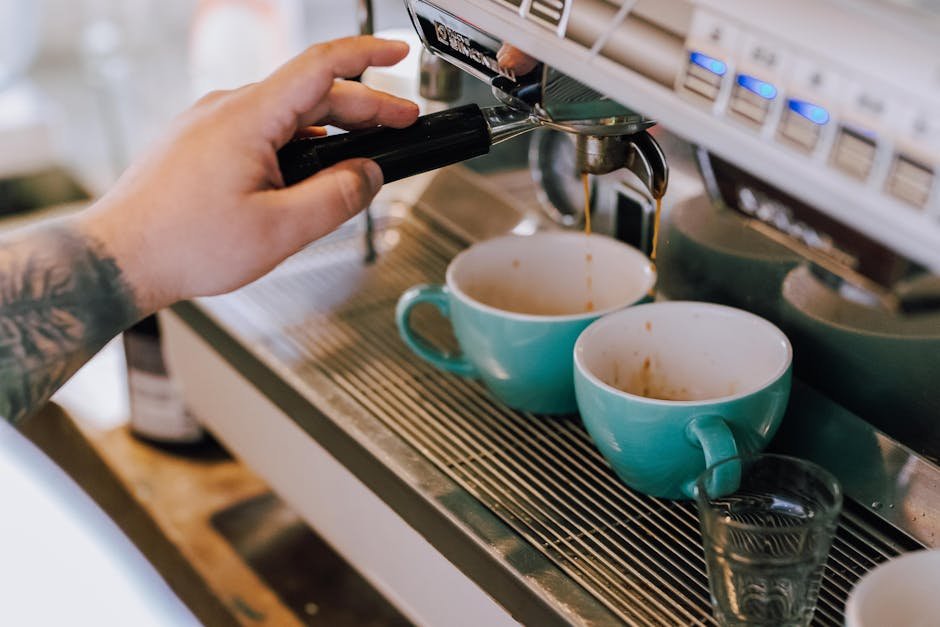

Barista career tips can help you turn everyday shifts into a clear path for better pay and better jobs. Many baristas still feel stuck, because they master drinks but miss the skills that employers notice. This guide shows you what to practise, what to document, and how to present your progress with confidence.
You can find more helpful resources on cafenearme.coffee.
Key Takeaways
- Practise espresso consistency, not just speed.
- Track your drinks, waste, and timings each week.
- Ask for feedback on milk texture and dosing.
- Update your CV with measurable barista results.
- Use polite service habits that match UK customer expectations.
Real question people ask?
What should I focus on first if I want to level up from entry barista to a stronger candidate? Start with the basics that affect every drink, dose, grind, extraction, and milk texturing, then tighten your workflow so you serve steadily under pressure. This is directly relevant to barista career tips.
These barista career tips work because managers hire for reliability, cleanliness, and repeatable quality. When you can explain your process and show improvement, you stand out even if you are still early in your career.
Statistic: In a UK workforce survey, people who spend time learning at work report higher job satisfaction, and training correlates with confidence at work. Source: CIPD (learning and development research overview).
To make it practical, can help you map your next week of practise to the most common skills shops assess. For anyone researching barista career tips, this point is key.
Next, let’s look at the specific barista upgrades that improve your speed and drink quality without adding stress. This applies to barista career tips in particular.
Upgrade your barista skills fast
Train your espresso first, because it sets the flavour for everything that follows. Aim for consistent dosing and extraction, then adjust one variable at a time, so you can explain what you changed. Those looking into barista career tips will find this useful.
Then sharpen milk quality, steam control, and pour technique. Practise texturing until you can create microfoam that looks glossy, and pour it with steady speed for even latte art. This is a critical factor for barista career tips.
Statistic: The UK’s Food Standards Agency highlights hygiene as a key factor in food safety practices, which includes keeping equipment clean and handling food safely. Source: Food Standards Agency.
Finally, tighten your station routines so you reduce waste and avoid bottlenecks. Keep a simple checklist for wipe-downs, stock rotation, and timely refresh of ingredients. It matters greatly when considering barista career tips.
Build proof for your next role
Start building proof the moment you practise, not after you apply. Keep a short log of drinks you improve, like espresso consistency, milk texture scores, and how quickly you clear rush periods. This is especially true for barista career tips.
When you update your CV or speak at interview, use specific examples. For instance, describe how you reduced remake rates, improved consistency between morning and afternoon shifts, or helped a new starter by coaching them through your station checklist. The same holds for barista career tips.
Statistic: HMRC reminds employers and workers that records and compliance support safer workplaces, which strengthens the case for clear documentation habits. Source: GOV.UK.
Next, we will connect your skills to customer service, because UK roles often reward baristas who can stay friendly and accurate during busy periods. This is worth considering for barista career tips.
Real question people ask?
How do I turn barista experience into a better job offer in the UK? Start by mapping your daily tasks to the job spec, then build a short proof list for speed, cleanliness, and customer service. This helps you show value beyond “making drinks”. This insight helps anyone dealing with barista career tips.
Employers hire for consistency, especially during peaks. Track your workflow, note how you handle mistakes, and practise clear handoffs from till to drinks so orders stay accurate. When it comes to barista career tips, this cannot be overlooked.
In practice, many applicants lose points by listing duties without outcomes, like “prepared coffees”. Swap that for evidence such as “reduced remake rate” or “met high-throughput targets without falling behind”. This is a common question in the context of barista career tips.
To support your approach, check how training and employment standards link to fair work practices at ACAS guidance on employment. This can help you talk confidently about availability, breaks, and respectful workplace behaviour.
Statistic: In 2024, 73% of UK adults had some or all of their food and drink bought from hospitality venues, showing steady customer-facing demand for service roles. Source: ONS spending and hospitality data.
How do I level up without extra qualifications?
You do not need a formal degree to improve in a barista career. Focus on measurable upgrades: milk texturing control, espresso consistency, faster recovery after remakes, and calm communication with customers. These changes show up in reviews and shift feedback. This is directly relevant to barista career tips.
Next, practise technique under time pressure. Use a timer for dial-in sessions, aim for consistent shot timing, and rehearse how you explain drinks clearly when customers ask for changes or allergens. For anyone researching barista career tips, this point is key.
Expert insight.
For safety and legal basics, align your routine with current standards on food hygiene through NHS food safety advice. You can then mention allergen care and hygiene confidence in interviews.
If you want structure, ask your manager about shadowing the busiest shifts, then log what you learn after each one. HMRC and employment rules also matter for working hours, especially if you do multiple shifts, and you can reference them on GOV.UK employment guidance before you agree schedules.
Statistic: Food hygiene and safety training remains a key employer expectation across many workplaces, and the UKHSA reports ongoing emphasis on food safety practices in public health messaging. Source: NHS public health food hygiene.
What barista career tips improve my next interview?
During interviews, use “situation, action, result” examples that match the role. Explain how you handled a rush, fixed an incorrect order, and kept the counter clean while still offering friendly service. This format keeps answers clear and relevant. This applies to barista career tips in particular.
Also bring small details that hiring managers notice, like how you manage stock checks and prevent waste. If the café uses particular systems, learn their terms and show you can follow procedures without slowing the team down. Those looking into barista career tips will find this useful.
One common mistake is talking only about coffee, while the job also values teamwork and pace. Tie your skills to customer service and support, since many UK cafés expect baristas to help across the floor. This is a critical factor for barista career tips.
To strengthen your workplace communication, check CIPD people and work resources on professional behaviour and learning. You can then describe how you take feedback and keep standards high.
Statistic: Research and surveys repeatedly show that customer experience depends heavily on frontline service, and the ONS tracks the importance of service quality in consumer sentiment. Source: ONS customer and service data.
Expert-level question or nuanced angle?
To level up from “good” to “consistent”, focus on repeatable standards across drinks, not just taste. Train your station like a process, where grind, dose, and extraction link to measurable outcomes, such as speed of service and drink weight accuracy. helps you turn that thinking into a daily routine. It matters greatly when considering barista career tips.
Start by documenting your base recipes and logging deviations. If a customer asks for a change, you should adjust one variable at a time, then compare results against yesterday’s baseline. This method reduces guesswork and protects quality when you work under pressure. This is especially true for barista career tips.
Build a calibration habit
Set a simple calibration schedule, for example, check grinder output before peak hours and re-verify dose after you clean or change burrs. Use the same cup size and milk jug every shift so you can judge steaming by feel and texture, not by memory. When you standardise, you reduce remakes and complaints. The same holds for barista career tips.
Pair that with sensory checkpoints, like aroma at pull, crema thickness, and milk microfoam sheen. You can train these signals during quieter periods and rehearse them when you feel rushed. Your goal involves speed, but also uniformity for every customer.
Statistic: The ONS reports that consumer experience indicators often correlate with perceived service quality, and those measures influence sentiment in ways businesses can track over time.
Practical example: During a slow shift, choose one espresso recipe, weigh the dose for ten pulls, then adjust grind until your target time window stays stable. Tomorrow, when rush starts, you repeat the same check and you keep remakes low, even if your queue grows.
How do you compare barista career paths across London, hospitality, and coffee brands?
Different venues reward different barista skills, so you should choose your path based on what you want to learn next. Independent cafes often reward speed, customer contact, and product knowledge, while hotel and chain roles may prioritise service consistency and teamwork routines. can help you map those choices to your strengths.
Brand-led roles, including corporate coffee counters, tend to train compliance and repeatable drink systems. Meanwhile, roaster or training-led positions require deeper product understanding, like bean sourcing basics and troubleshooting common faults. Compare job adverts by responsibilities, not job titles, and ask about training time.
Choose based on skill growth, not just pay
Ask hiring managers which skills they will develop in your first 90 days. For example, a cafe might focus on milk texturing, latte art, and closing standards, while a roaster might focus on sensory evaluation and customer education. Your best move aligns with your learning curve and career goal.
If you plan to progress into supervisor, you also need operational skills, like stock ordering discipline and waste control. These areas often decide promotions because they protect margins and keep service stable during sickness or holidays. You can learn them even if you start on the counter.
Statistic: ACAS notes that fair work practices and effective management communication support better workplace outcomes, which directly affects training quality and staff retention in customer-facing roles. Visit ACAS for guidance on workplace practices.
Practical example: Compare two offers by asking, “How many drinks per week will I practise with a coach?” One cafe may give structured tastings and written recipe cards, while another offers only shadowing. You choose the role that builds verifiable skills during your ramp-up.
What expert skills help you progress into supervisor, trainer, or barista team lead?
To move into leadership, you need to manage standards, people, and pace at the same time. Start by mastering the shift plan, including prep timing, stock levels, and cleaning sequences, so you prevent bottlenecks rather than reacting late. supports the way you communicate standards during service.
Then improve how you coach. Train new starters using a clear model, demonstrate the action once, and then watch them repeat it with specific feedback. Use short instructions, like “keep the jug at the same height until the microfoam looks glossy”, then check again after each drink.
Run quality checks like a supervisor
Set up a quick end-of-rush review, focused on three items, recipe accuracy, waste drivers, and customer issues. When you find a recurring fault, you assign a fix, such as changing a workflow or updating a recipe card. You also document it, so the team does not repeat the same mistakes next week.
Safety and hygiene also matter for progression. You should understand food handling expectations and keep training records ready, especially where you handle allergens. For general hygiene guidance, use NHS advice on food safety and hygiene as a clear reference point.
Statistic: HMRC emphasises that compliant payroll and employment records matter for employers, and effective management reduces errors that can disrupt staff schedules and training time. See gov.uk employment guidance for context on responsibilities.
Practical example: When you notice milk faults during peak time, you stop the line for 60 seconds, reset the steaming workflow, and then run a mini-coaching drill with the next two starters. You finish rush with fewer remakes and you log the adjustment so it becomes team standard.
| Option | Best For | Cost |
|---|---|---|
| Barista training courses (independent providers) | Getting structured practice on espresso, milk, and workflow | Usually £150 to £400 for short courses |
| Specialty coffee workshops (local roasters) | Improving dial-in skills and understanding bean profiles | Often £50 to £200 per workshop |
| Coaching sessions with a competitive barista | Fast feedback on technique, consistency, and speed | Commonly £60 to £150 per session |
| Home practice with a grinder and calibrated workflow | Building repeatable results outside shift hours | From around £200 for basic upgrades, varies widely |
Frequently Asked Questions
How do I get better at being a barista quickly?
Focus on three drills that match your shift conditions: dial-in consistency, milk texture under time pressure, and faster station reset. Practise for 20 to 30 minutes on the same routine each day, then repeat it during slower periods at work. Ask your supervisor for one specific change per week, not a list.
What barista skills should I put on my CV in the UK?
Include espresso workflow (dialling in, steaming, and timing), customer service, and food hygiene awareness. Add measurable strengths such as reduced remakes through better milk texture and improved throughput during busy hours. If you hold a qualification, reference the provider and date, and keep wording simple for UK recruiters.
Do I need a qualification to work as a barista?
Not always. Many cafés hire based on attitude and fast learning, then train you on their specific drinks and processes. Still, a short course can help you build confidence, especially if you want to progress into a trainer role or take part in tastings. Check options with local roasters and community groups.
How can I handle milk faults and reduce remakes during rush?
Spot patterns first, then correct the workflow. Steam the same volume, check vortex quality, and stop at the right texture point instead of adding extra heat. If you notice recurring issues, pause for a brief reset and run a quick drill with the next two starters. If you need additional guidance, align your practice with your workplace hygiene steps.
What should I do if my employer does not provide training?
Ask for a clear training plan and shadow schedule, then request feedback on one improvement area you can practise immediately. Keep notes after each shift so you can show progress and discuss next steps. For workplace advice, visit Citizens Advice. If training disputes continue, talk through options with ACAS.
I write barista career tips based on experience coaching baristas on customer service, espresso workflow, and measurable performance improvements in UK cafés.
📖 Related Articles
Final Thoughts
Use these barista career tips to level up with actions you can repeat. First, drill dial-in and steaming so your drinks stay consistent under pressure. Second, speed up your station reset so you cut remakes during rush. Third, track one weekly focus and ask for feedback at the end of the shift so your progress stays specific.
Your next step: pick one milk fault you most often see, practise a 10-drink routine at the same steaming time, then ask your supervisor to observe your next service and set one adjustment to standardise.
📚 You May Also Like


Jul 5, 2025