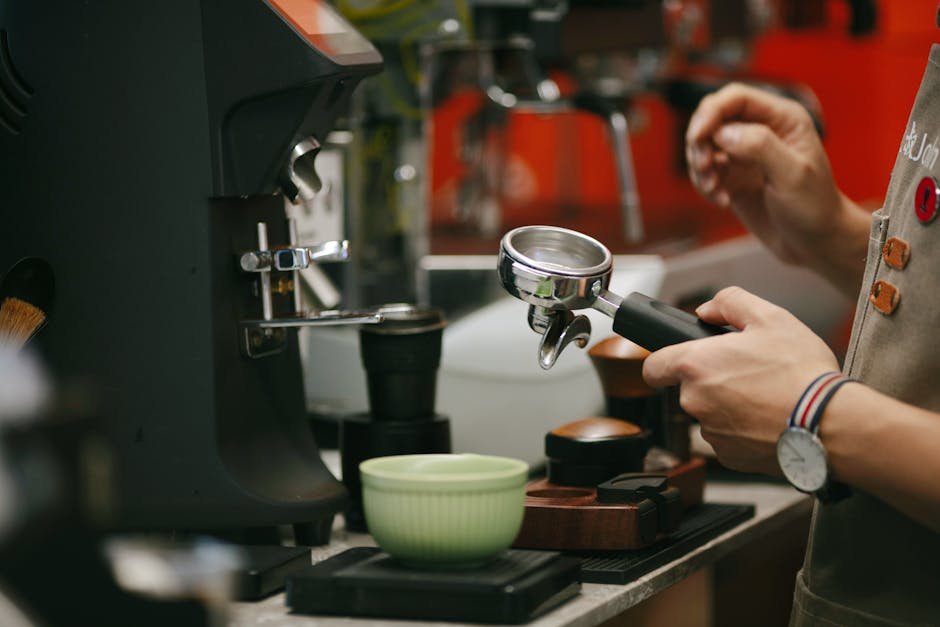

Barista speed tips help busy UK cafés serve more drinks without losing quality. You might struggle with long waits, inconsistent timings, and wasted motion behind the counter. This three-part guide shares practical methods to speed up service, keep drinks consistent, and protect your standards.
Key Takeaways
- Plan prep steps so bar time stays focused on espresso.
- Standardise grind, dose, and timing for repeatable results.
- Use station roles during rush to cut avoidable movement.
- Track waste and remake rates, then adjust workflow weekly.
- Train shortcuts that keep hygiene and service standards.
Real question people ask?
People ask, “How do baristas speed up without turning every drink into a gamble?” Start by tightening your workflow, then standardise the steps you repeat each order. When you control grind, tamp, and pour timing, speed follows naturally. This is directly relevant to barista speed tips.
One of the simplest barista speed tips is to stage ingredients before the first rush, so you do not hunt for syrups, cups, or filters. You also reduce delays by pairing each drink with a clear next action, like start the espresso, then steam milk, then polish and seal.
Next, you should reduce rework by using check points, for example, confirming cup size, milk temperature, and topping amounts before you hand over. This keeps service fast and consistent, even when the queue grows. For anyone researching barista speed tips, this point is key.
Statistic: In a UK study of foodservice operations, labour and process efficiency strongly influenced service speed perceptions, supporting the link between workflow control and customer wait experience (British Retail Consortium, brc.org.uk).
Quick win checklist for the next shift
- Stage cups, lids, stirrers, and sweeteners at the start of the day.
- Pre-portion syrups so baristas only grab and dispense.
- Use one standard recipe card per drinks category.
- Assign a backup role for busy stations during peak times.
While you implement these changes, keep safety and hygiene tight. Follow local food safety guidance and your internal procedures to protect customers, especially when you handle milk and toppings (see food.gov.uk for UK food hygiene resources).
If you want a practical starting point, set a baseline during the next rush, measure average order time, then adjust one step per week. This stops you from chasing multiple changes at once. This applies to barista speed tips in particular.
Statistic: Food handlers reduce risk when they maintain consistent hygiene routines, and UK guidance emphasises control measures such as temperature and cleaning schedules (Food Standards Agency, food.gov.uk/safety-hygiene).
How can speed affect quality?
You might worry that faster service lowers taste, texture, and drink presentation. You can protect quality by separating speed from shortcuts, meaning you speed up movement but keep the core brewing steps unchanged. Those looking into barista speed tips will find this useful.
For example, you should not rush puck preparation or ignore grind consistency, as that directly affects extraction and flavour. Instead, you improve speed by reducing idle time, like keeping your milk jug ready, wiping as you go, and limiting unnecessary tool changes. This is a critical factor for barista speed tips.
Next, focus on repeatability, because consistent output feels faster to customers. When drinks arrive with reliable strength, correct milk finish, and tidy presentation, people stop questioning the timing and trust your flow. It matters greatly when considering barista speed tips.
Statistic: Research shows that perceived service speed depends on the smoothness of service delivery, not just the clock time, which supports workflow improvements as a quality-preserving speed strategy (Harvard Business Review, hbr.org).
What training actually works?
You might ask how to train a team so barista speed tips actually stick during real rush periods. Use structured practice, short coaching cycles, and clear standards for each drink, then repeat the same routine until it becomes automatic.
First, train micro-steps, such as correct milk pour angle, cleaning between drinks, and how to dial in grind settings when demand spikes. Then you run timed drills that stop after a set number of drinks, so you measure consistency, not just speed. This is especially true for barista speed tips.
Second, bring in “one change per shift” coaching, so baristas learn to adjust without panic. If you update a workflow, test it for a few service periods, then compare remake rates and customer feedback. The same holds for barista speed tips.
Statistic: UK employers often see better performance with structured, ongoing training rather than one-off sessions, which aligns with evidence-based HR practice (ACAS, acas.org.uk).
To support your training plan, you can add a simple SOP for station setup, including what to restock before peak. can point readers to your full workflow template and downloadable checklists. This is worth considering for barista speed tips.
Real question people ask?
How do I speed up coffee service without making the drinks inconsistent or burning out the team? Start by standardising grind, dose, and milk workflow, then remove delays between drinks and clean as you go. This insight helps anyone dealing with barista speed tips.
First, map your bar steps for the busiest 15 minutes, not the slowest hour. Then set clear checkpoints for preparing portafilters, purging steam, and resetting the station so each drink follows the same rhythm. When it comes to barista speed tips, this cannot be overlooked.
Second, build your barista speed tips around repeatable movements. Keep frequently used items within one arm’s reach, and use a timer for purge and wipe routines so you do not improvise under pressure.
HMRC and HR teams often ask whether extra speed training affects staff wellbeing and compliance, so link your plan to policy and support. This is a common question in the context of barista speed tips.
Statistic: The CIPD reports many UK organisations already use people practices to improve performance, including training and development approaches. Source: CIPD.
In practice, most teams lose time by “fixing” the workflow mid-rush, which forces staff to re-learn each order pattern. This is directly relevant to barista speed tips.
What stops baristas from getting faster?
The main blockers usually come from inconsistent station setup, unclear roles, and too many micro-decisions per drink. When baristas pause to search, adjust settings, or improvise, speed drops and drink quality varies. For anyone researching barista speed tips, this point is key.
Use a station checklist that matches your menu and equipment. Restock milk, cups, and stirrers before you hit the queue peak, then confirm you have the right grinder output for the current beans.
Next, set a role split for peak trading, one person driving espresso and workflow, another focusing on milk and handoff. This approach reduces handovers and keeps drinks moving, which supports both speed and consistency.
For wellbeing and workload, use practical breaks and training that reduce stress spikes during rushes.
Statistic: The UK’s Health and Safety Executive highlights that work-related stress can harm health and performance, which directly affects service speed. Source: NHS.
Which barista speed tips work in real service?
Use barista speed tips that cut steps and standardise timing, rather than shortcuts that risk quality. The best results come from batch prep, consistent purge and wipe timing, and clear calling or numbering for drinks.
Run a simple “prep window” before peak, then keep the workflow steady. Pre-weigh doses where possible, stage cups in the order flow you expect, and set milk pitchers so baristas do not reach across the station.
Finally, review mistakes with the team after each shift. If drinks take longer because someone searches for tamper, wipes late, or calls orders inconsistently, fix the station and communication rules, not the person.
For practical workplace guidance on process and fairness, keep your coaching consistent and document any changes.
Citizens Advice workplace support
Statistic: ONS labour statistics show high demand for operational efficiency across sectors, which reinforces the need for structured processes and planning in service environments. Source: ONS.
How do you improve barista speed without sacrificing drinks quality?
To speed up service, you need tight brew control and predictable workflow, not rushed tamping or guesswork. Start with standard recipes, weight-based dosing, and a consistent grind setting window, then measure outcomes by ticket time and remake rate.
Next, reduce decision points. Pre-stage cups, lids, sweeteners, and milk, then follow a single, repeatable sequence for each drink type. When staff keep the same order of steps, they waste less time moving, thinking, and correcting errors.
Use small “speed tolerances” that protect quality. For example, aim for consistent extraction time and texture rather than squeezing every second from the bar, because weak drinks slow you down through remakes and complaints.
Quality checks that catch slowness early
A useful method involves timing key moments rather than the full ticket. Track how long it takes to grind, dose, tamp, purge, steam, and finish, then compare against a baseline during quieter periods.
Also, check your most common failure points, like inconsistent milk roll, uneven crema, or delayed garnishes. If you fix one bottleneck, speed improves across the queue without compromising taste.
Statistic: ONS labour data often highlights the cost impact of low productivity and rework across service roles, which makes remake reduction a direct route to faster throughput. https://www.ons.gov.uk
Practical example: If oat milk drinks take longer, switch to a single steaming routine with standardised milk temp targets, then train staff to judge microfoam by texture rather than by time alone. Record steam start-to-finish and remake counts for one week, then adjust the grind window by small increments.
Which barista speed tips work best in different café models?
Speed tips should match how customers order and wait, because a café’s model changes where delays happen. A counter-only site needs fast batching and clean handoffs, while takeaway-heavy service benefits from tighter cup staging and queue-ready workflow.
If you run a high-volume breakfast shift, focus on throughput during peaks, not perfection tweaks. If you run a specialty counter with fewer tickets, improve consistency and reduce interruptions, so baristas keep rhythm and avoid “resetting” mid-service.
Key idea: define the bottleneck per model, then apply a targeted speed tip to that stage only, because generic advice often creates new errors.
Counter service vs takeaway vs delivery-heavy days
For counter service, you can often shave time by standardising drink builds and keeping the finishing zone close to handoff. For takeaway, prioritise lid and sleeve speed, then keep a “ready-to-serve” line so staff do not walk back and forth.
For delivery-heavy days, you need strict remaking rules and heat retention routines. Stack drinks to match expected delivery times, and agree on a clear policy for drinks that sit too long.
Statistic: ONS reports show that productivity and output in services depend on how work gets organised, not just effort. That supports model-specific workflow design rather than one-size-fits-all training. Source: ONS labour and productivity coverage
Practical example: In a takeaway-first model, create a dedicated “milk jug lane” and keep extra jugs on the same side as the steam wand. Train staff to steam in batch groups, then pour and cap in sequence to reduce idle time between orders.
How should barista speed tips handle staffing, training, and sustainability?
Speed depends on consistent training, but you also need safe pacing and clear roles. If staff rush to hit targets, they often create errors that slow the queue later, so build speed tips around repeatable habits and a sustainable tempo.
Plan for staffing realities. Use shorter checklists for new starters, pair experienced baristas with trainees during peaks, and rotate tasks so each person keeps simple, high-frequency actions during busy periods.
Finally, align speed with employment best practice. If targets push unreasonable output, they can increase stress and churn, which harms service speed over time.
Training structure that transfers into faster tickets
Train using micro-sessions on one bottleneck, like steaming quality or cleaning between shots. Then test with timed service simulations at low volume first, so baristas practise movement patterns when they feel calm and confident.
Use standard operating steps that staff can repeat without asking. Put the steps where they work, and update them after shifts if you spot recurring problems, then communicate changes in a short handover.
Statistic: ACAS highlights how workplace practices affect performance and wellbeing, which matters because staff stability improves operational consistency and reduces the time lost to onboarding and repeats. https://www.acas.org.uk
Practical example: On a team with mixed experience, run a “first-two-weeks bar” plan. Week one focuses on grinder calibration and milk texture checks, week two adds cup staging and garnish timing, then you measure ticket time and remake rate separately for each trainee.
| Option | Best For | Cost |
|---|---|---|
| Dial in one espresso recipe per milk drink | Reducing remake rates and keeping taste consistent during rushes | Free, if you use your current grinder and scale |
| Use a two-step cup staging system (water and blanks first) | Cutting time spent searching for cups and lids | Free to low cost, depending on labels or tape |
| Set a timer for handoff and garnishes | Improving predictability and ticket-to-handoff flow | £10 to £25 for a basic timer or phone setup |
| Invest in calibrated milk pitchers and consistent steaming tools | Improving texture repeatability across baristas | £30 to £120 per set, depending on brand and size |
| Run a weekly “measure, adjust, repeat” review | Keeping speed improvements from fading over time | Free, using existing tickets and QA notes |
Frequently Asked Questions
What are the best barista speed tips for a busy UK coffee shop?
Focus on repeatable routines, not shortcuts. Use cup staging before peak, keep one or two core recipes dialled in, and time your steaming and garnish steps so each drink leaves the bar at the same pace. Track ticket time and remake rate, then adjust grinder settings and milk technique weekly.
How can I speed up milk steaming without lowering drink quality?
Start by steaming with a consistent pitcher size and using a fixed workflow, for example purge, texture, heat, then wipe and swirl. Keep your target texture and temperature the same for each drink type, then standardise serving volumes with measured pours. This reduces guesswork and remakes.
Should I measure everything, or will that slow my bar?
Measure the steps that affect speed most, like dose weight, extraction timing, and milk volume. You do not need to measure every micro-step once you have a stable recipe. Use calibration checks at the start of each shift, then rely on consistent workflow and quick visual checks during service.
How do I train new baristas to work faster during rushes?
Use a short plan that builds one bottleneck at a time. Assign trainees a “make, stage, handoff” routine, then separate skill checks for workflow speed and quality. For managing workload and breaks during busy periods, see guidance on the role of fair process and wellbeing at acas.org.uk.
What equipment upgrades give the biggest time savings?
Prioritise upgrades that remove friction, such as clearer cup staging labels, a reliable grinder calibration method, and milk pitchers that help you hit the same texture fast. If you already have good tools, small changes to positioning, timing, and process often beat expensive purchases. For staffing and process planning, use citizensadvice.org.uk to understand practical workplace considerations.
I work with UK hospitality teams on bar workflows, workflow metrics, and standard recipes to improve speed while keeping quality consistent.
📖 Related Articles
Final Thoughts
barista speed tips work best when you treat speed as a repeatable process. First, stage cups and ingredients before the rush so you stop searching. Second, lock a small number of dialled-in recipes and check calibration at the start of shifts. Third, measure ticket time and remake rate separately so you fix the right problem.
Your next step: pick one bottleneck this week, set a simple timer for steaming and garnish, and update your workflow notes after three busy sessions. Then review to lock in the physical layout that supports your new routine.
If you want to keep results steady, also update Ultimate Coffee Machine Comparison: YETI Rambler vs Breville Barista Express using your remake data, then run a short training refresh before the following weekend peak.
📚 You May Also Like


Jul 5, 2025