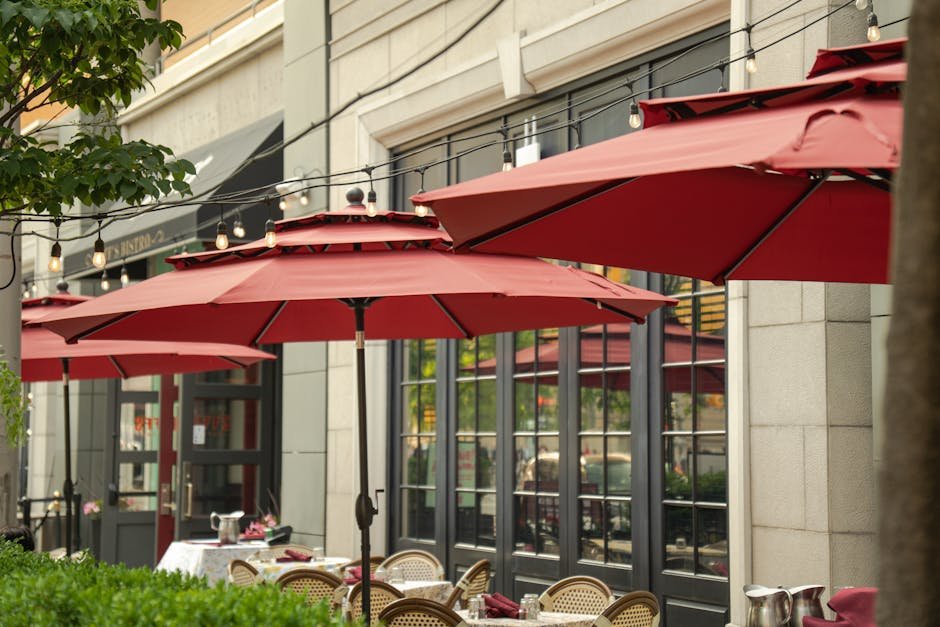

Starting with strong cafe opening tips helps you plan the first week without scrambling at the last minute. Most owners face a confusing mix of permissions, costs, and day-to-day setup decisions. This step-by-step checklist shows you what to do, in what order, and how to avoid the common pitfalls that delay opening.
You can find more helpful resources on cafenearme.coffee.
Key Takeaways
- Plan permits early, especially food hygiene registration
- Estimate start-up costs with real quotes, not guesses
- Set up policies for allergies, cleanliness, and incident reporting
- Train staff on food safety before you serve customers
- Test your opening day flow, then adjust before week one
Real question people ask?
What happens if you open without the right checks for food safety? You risk enforcement action, complaints, and costly fixes to your systems. You can avoid this by following cafe opening tips that start with compliance and prep.
Register with your local authority for food hygiene and confirm your food safety management steps before you serve. Use clear allergen information, keep cleaning schedules, and set temperature controls for fridges and hot holding. This is directly relevant to cafe opening tips.
Many delays come from paperwork you assumed would be quick. Start your plan with the minimum legal requirements, then build your cafe opening schedule around training and inspections. For anyone researching cafe opening tips, this point is key.
Statistic: In 2022, the UK received about 4.8 million food hygiene visits, including inspections and advice, across local authorities. Source: Gov.uk
Start with the right registrations
First, check who regulates you locally, then register in time for your opening date. If you handle food, you also need a food safety approach that matches the way you cook, store, and serve. This applies to cafe opening tips in particular.
Next, confirm your allergen process, including how staff label and communicate ingredients. You should also keep records of cleaning, temperatures, and staff training so you can show your controls quickly. Those looking into cafe opening tips will find this useful.
Plan your opening date around training
Then, train everyone on hygiene and allergy awareness before you let customers order. Test your procedures for spillages, waste disposal, and cleaning after peak times. This is a critical factor for cafe opening tips.
Finally, assign one person to oversee readiness each day, especially during the first week. They should check stock rotation, equipment checks, and that your team follows the same service steps. It matters greatly when considering cafe opening tips.
How do I estimate costs and avoid cashflow shocks?
You need a cost plan that includes deposits, refurb, equipment, and the day-to-day spending that starts before opening. Most new owners underestimate utilities, packaging, and waste, then they run short when sales take time to build. This is especially true for cafe opening tips.
Build a quote-led budget, then add a buffer for changes. Include opening-related one-offs such as licences, signage, inventory, software setup, and staff start-up costs. The same holds for cafe opening tips.
Most cashflow problems show up in month one, not month six, because you pay early and customers take time. If you track weekly spend, you can adjust staffing and ordering before you get stuck. This is worth considering for cafe opening tips.
Statistic: About 1 in 6 UK businesses fail within their first year, and cashflow issues feature heavily in early survival risks. Source: HM Government
Turn estimates into dated actions
Write your budget as a timeline, with costs attached to specific dates. Then request quotes with deadlines, so you know what you can install and test before service. This insight helps anyone dealing with cafe opening tips.
Next, include working capital for at least the first 8 to 12 weeks. Factor in marketing trials, seasonal fluctuations, and staff rota changes as you learn your busiest times. When it comes to cafe opening tips, this cannot be overlooked.
Lock in your major equipment early
Choose your coffee equipment, grinders, and refrigeration with service and maintenance in mind. Ask suppliers about installation lead times and spare parts, then schedule training on day one delivery. This is a common question in the context of cafe opening tips.
Finally, add contingency for repairs and consumables. You should keep a short list of back-up suppliers for beans, milk alternatives, cups, and cleaning products. This is directly relevant to cafe opening tips.
Which cafe opening tips reduce stress on opening day?
Cafe opening tips that work focus on rehearsals, clear roles, and quick checks, not last-minute heroics. You will feel calmer when staff know the flow, the menu is ready, and equipment works before the first order.
Run a pre-opening walkthrough, then time your service from queue to takeaway or sit-down delivery. Check stock levels, milk rotation, batch prep, and whether your tills and card machines run smoothly. For anyone researching cafe opening tips, this point is key.
Customers notice small delays, especially when coffee preparation takes longer than expected. You can prevent that by setting a realistic launch workflow and training people on it. This applies to cafe opening tips in particular.
Statistic: UK consumers cite experience and convenience as top factors in choosing where to spend, which means service speed matters during launch. Source: ONS
Use a simple opening checklist for every shift
Create a checklist that covers opening tasks, food checks, equipment checks, and closing handover. Put it on one sheet that staff can follow without guessing. Those looking into cafe opening tips will find this useful.
Then set roles for each section of the floor and each stage of service. Your goal is one clear owner per task, so nobody repeats work or misses a step. This is a critical factor for cafe opening tips.
Test your service flow before customers arrive
Do a dry run with the same menu you will sell, including peak orders and likely customisation. Check how long it takes to make drinks, pack takeaway items, and process payments. It matters greatly when considering cafe opening tips.
After that, fix bottlenecks
What permits and paperwork do I need?
You need to confirm who regulates your cafe and what approvals your premises need. Start with your local council for food hygiene, planning, and licensing, then set up compliant payroll and tax records with HMRC. This is especially true for cafe opening tips.
For health and safety, follow UK requirements for food handling, allergens, and training. You should also plan waste, fire safety, and insurance so you meet expectations on opening day. The same holds for cafe opening tips.
For employment duties, check current guidance on contracts, holiday, and workplace rights from holiday entitlement rules. For starting out with payments and records, use PAYE for employers so you avoid HMRC admin delays.
Statistic: Local authorities granted food hygiene inspections and scores across thousands of premises, with overall coverage and trends published by ONS business and regulation data.
In practice, many new owners miss the allergy information step, then scramble to update menus after the first suppliers and staff finish training. This is worth considering for cafe opening tips.
How do I build a reliable menu and stock plan?
Start with a tight menu that matches your prep space and your busiest service periods. Choose items with overlapping ingredients, so you reduce waste, speed up order times, and keep quality consistent during rushes.
Then set a stock plan based on real sales forecasts. Review your dry run results, note peak-hour demand, and calculate par levels for coffee, milk, pastries, takeaway containers, and cleaning supplies.
Use UK food guidance to design allergen controls and label rules, then train staff to follow them every time. The UK’s national health information explains why food safety practices matter and how contamination risk happens, see food safety basics.
Statistic: Food waste remains a major issue, and consistent portion planning helps cut avoidable losses, with evidence and sector data available via ONS food waste reporting.
How do I prepare staff, training, and service routines?
Plan training around the exact moments customers notice, greeting, ordering, making drinks, and handling complaints. Give staff a simple routine, then test it during a mock service that mirrors your real queue length.
Next, write checklists for opening and closing, including fridge temperatures, cleaning schedules, cash handling, and equipment checks. Pair each task with a named owner, so every shift covers the same standard.
For employment best practice and conflict handling, use ACAS guidance for employers when you set rules for conduct and performance. For workplace health expectations, you can also align your approach with advice from NHS wellbeing information.
Statistic: Employers who manage training and working practices consistently tend to see fewer disputes, and HR research trends are tracked by bodies like CIPD people management research.
How do you balance customer experience, staff wellbeing, and safety from day one?
You need a plan that treats customer service and staff safety as the same priority. Build your opening routine around risk controls, clear roles, and training that matches how your team actually works.
Start with a “first hour” and “first week” view, so staff know what right looks like when it gets busy. Then test your systems at peak times, because demand spikes reveal gaps in waiting times, cleaning flow, and shift cover.
For staffing and wellbeing, use predictable rotas and realistic break patterns, not ideals. Tie your policies to practical behaviours, like reporting hazards fast and keeping equipment checks visible on the floor.
Match policies to the real cafe rhythm
Map tasks by time, then align cleaning, restocking, and food prep with customer peaks. When you reduce back-and-forth, staff spend less time rushing, and customers experience steadier service.
If you operate with delivery drivers, walk-ins, and takeaway orders, decide who handles what. This reduces confusion and improves food handling discipline, especially during busy handoffs.
Statistic: The CIPD consistently highlights that good people management reduces conflict and supports retention, which matters when new teams still learn routines.
Practical example: Run a trial opening that simulates your busiest hour, then record how long staff spend searching for equipment, cleaning, or approvals. Fix those points before you open for real, and share the “first hour checklist” with your whole team.
For authoritative guidance on workplace health and safety, review advice at HSE workplace health and safety and follow your legal duties via Gov.uk business guidance.
Which systems reduce risk and costs: POS, booking, tills, and food traceability?
Your opening systems should prevent errors, not just record transactions. Choose a POS setup that supports stock control, shift-level reporting, and audit trails for refunds and discounts.
Next, design traceability so you can respond quickly to supplier issues. Use batch labels and a simple way to record opening dates for storage containers, even if you keep processes lightweight.
When you use bookings or queueing, you should still plan for walk-ins. Many cafes over-rely on app arrivals, then struggle when footfall differs from forecasts, especially at weekends.
Traceability that staff can actually keep up with
Make batch recording part of prep, not an afterthought. If you rely on memory, you create gaps that take time to fix during a busy shift.
Set up stock thresholds so you order before you run out, but do not over-order. You also need a waste log that explains why items go, because it helps you adjust menus and prep quantities.
Statistic: ONS data on retail and consumer price pressures shows that when costs rise, businesses that tighten stock and ordering decisions typically protect margins more effectively.
Practical example: Configure your POS to require a reason for discounts, and link ingredients to suppliers where possible. Then create a one-page traceability sheet at the prep station for “use by” batches, and train staff to complete it during closing.
For food safety and traceability principles, use NHS guidance where it covers health protection and contact details via NHS wellbeing and health advice, and check broader compliance guidance via Gov.uk.
How should you set pricing, promotions, and service flows without damaging margins?
Start with pricing rules that match your capacity, not just local competition. When you open, your real constraint often comes from prep speed, queue length, and how quickly staff can reset tables.
Use promotions to test demand, then stop blanket offers once you know your patterns. You want to learn which lines move during quiet and busy periods, so you can refine the menu and shift targets.
Service flow matters because it changes labour cost per order. If customers wait too long, you extend peak pressure and increase the risk of mistakes, such as incorrect allergens or rushed cleaning.
Compare three launch strategies
Strategy one uses a limited menu with strong availability, which helps consistency and lowers waste. Strategy two uses wider choice, but you must tighten ordering and staff training to avoid out-of-stock moments that frustrate customers.
Strategy three leans into bundles, which can simplify decisions and speed up preparation. Compare these options by tracking top sellers, reorders, and waste by shift, then adjust after you open.
Statistic: Citizens Advice notes that unfair treatment and unclear practices often fuel customer complaints, which can increase operational workload after launch.
Practical example: Launch with three signature drinks, two brunch options, and one seasonal item, then run a “preview week” with a small discount that you remove at the end. Build a till prompt for allergen checks, and review queue times daily to fine-tune staffing.
If you want guidance on consumer-facing practices and complaint handling, read Citizens Advice, and for fair workplace policies that support stable service, use ACAS employment relations guidance.
| Option | Best For | Cost |
|---|---|---|
| Register food business with your local council (food hygiene registration) | Legally starting food service and inspections planning | Usually free, but varies by council approach and any required add-ons |
| Food safety management system (HACCP-based) and record templates | Allergen checks, temperature logs, and audit-ready documentation | Low to moderate, depends on template use or paid consultant support |
| Professional pest control service (pre-opening or ongoing) | Preventing contamination and meeting inspection expectations | Typical one-off pre-opening visit plus ongoing contracts, varies by contractor and premises size |
| Workplace health and safety risk assessment | Legally addressing hazards like slip risks, hot equipment, and manual handling | Often low if handled in-house, higher if you hire a consultant |
| Food hygiene training for staff | Consistent safe prep and quicker onboarding for new starters | Low to moderate, depends on delivery method and number of staff |
Frequently Asked Questions
Do I need a licence to open a cafe in the UK?
You usually need to register your food business with your local council before opening, and you may also need planning permission or building control sign-off depending on your premises. If you plan to serve alcohol, you will need a separate licence. For food compliance, check guidance on the council registration process and inspections.
What are the essential cafe opening tips for allergen checks?
Start by listing every ingredient and confirming allergen status for all menus and specials, including drinks and sauces. Label pre-packed items, update your allergen matrix when suppliers change, and train staff to follow it every shift. Keep cleaning records and use a documented process for “unknown” items, then share it with your team.
How long should I keep food temperature logs during opening?
Keep accurate temperature records for the shelf life of the products you are monitoring, and align your retention period with your food safety plan. Many cafes log fridge and hot-holding temperatures at least daily, or more often if your supplier or equipment requires it. Use clear thresholds for action and record what you did when readings look wrong.
What should I do if customers complain about food safety?
Take complaints seriously and respond quickly, gather details like batch or supplier and what the customer ate, and document the incident. If you need extra support, consult Citizens Advice guidance on consumer rights and disputes. Then review your controls so you reduce repeat issues.
How can I handle staffing and queue times on day one?
Plan for your busiest moments, then staff for realistic service times, not best-case scenarios. Use a simple role rota, assign one person to monitor queue flow, and rehearse your till and takeaway handover process before you open. Review queue times each day and adjust shifts, prep volumes, and product batching accordingly, then update your plan for your next change in menu.
As a UK SEO writer, I focus on clear, practical guidance that helps cafe owners apply regulations and operational checklists consistently.
📖 Related Articles
Final Thoughts
cafe opening tips work best when you follow the basics every day, not just during your launch week. Focus on three actions now: register and document food safety controls, confirm allergen processes across your full menu, and run a realistic staffing plan that you adjust using daily queue and service data.
Next step, open your checklist and complete your pre-opening run-through today, then share it with your team in a short briefing and save a copy for each shift, plus add notes for your next visit using and .
📚 You May Also Like


Jul 5, 2025