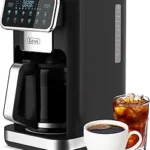
The Impact of Rising Coffee Prices on Home Brewing Trends in the UK
The recent surge in coffee prices is significantly shifting consumer habits across the UK. As the cost of coffee beans climbs, more Brits are opting to brew their coffee at home. This trend not only reflects a response to rising costs but also a broader shift in how coffee lovers enjoy their daily cup.
With wholesale coffee prices increasing due to various factors like climate change, supply chain disruptions, and increased demand, the retail effect has been noticeable. To manage their budgets, many consumers are reevaluating their coffee consumption patterns, leading to a boom in home brewing.
Why Home Brewing is Gaining Popularity
Several reasons explain why more individuals are choosing to brew coffee at home:
- Cost Savings: Preparing coffee at home can save significant amounts compared to frequent café visits.
- Customization: Brewing at home allows you to experiment with flavors and strengths to suit personal preferences.
- Quality Control: You can choose high-quality beans and control the brewing process, leading to a fresher taste.
- Convenience: Having coffee readily available at home saves time during busy mornings.
Popular Home Brewing Methods
As home brewing grows in popularity, so do various methods consumers are exploring. Here are some trending techniques:
- French Press: This simple method involves steeping coarsely ground coffee in hot water before pressing it through a mesh filter.
- Aeropress: Known for its simplicity and portability, this method uses air pressure to push hot water through coffee.
- Pour Over: This technique allows for a controlled brewing process, ensuring even saturation of coffee grounds.
- Cold Brew: Steeping coffee grounds in cold water over an extended period creates a smooth and less acidic beverage.
Growing Market for Home Brewing Equipment
As more people turn to home brewing, the market for coffee equipment has expanded significantly. From high-end espresso machines to budget-friendly grinders, varieties cater to all preferences and budgets. Some popular items include:
- Espresso machines
- Coffee grinders
- Reusable K-Cup-style pods
- Smart coffee makers
Retailers and online shops have reported a marked increase in sales of these items as consumers seek ways to elevate their home brewing experience.
The Role of Coffee Education
With the rise of home brewing, many coffee enthusiasts are turning to online resources to enhance their skills. Websites like Home-Barista offer tutorials and forums for enthusiasts to share tips and experiences. Additionally, social media platforms like Instagram and TikTok showcase creative brewing methods, allowing individuals to experiment and learn.
Economic Impact on Local Cafés
The trend towards home brewing is not only altering consumer habits but also impacting local cafés. As regular patrons brew coffee at home, many cafés have had to adapt their strategies. Some have introduced subscription models that offer delivery of coffee beans or equipment to keep customers engaged. Others have started hosting workshops to teach brewing techniques and promote the community aspect of coffee culture.
Tips for Brewing the Perfect Cup at Home
If you’re considering making the switch to brewing at home, here are some tips to help you create that perfect cup:
- Invest in a good quality coffee grinder to ensure freshness.
- Use filtered water for a cleaner taste.
- Experiment with different brewing methods until you find your favorite.
- Pay attention to the coffee-to-water ratio for consistent strength.
The rise in coffee prices is creating transformative changes in coffee culture across the UK. As more Brits embrace home brewing, it fosters a deeper appreciation for coffee while managing budget constraints. Research shows that when consumers are engaged with the process, their enjoyment levels often rise, leading to a more flavorful and fulfilling experience.
As trends continue to evolve in this space, resources such as Coffee Adventures and Coffee Forums provide avenues for connection and learning amongst coffee lovers. Whether you’re a novice or a seasoned barista at home, there’s never been a better time to explore the world of coffee brewing on your terms.
Cost-Effective Brewing Methods for the Coffee Enthusiast
As coffee prices continue to rise, many individuals seek ways to enjoy their favorite beverage without stretching their budgets. Brewing coffee at home not only saves money but also allows for an exploration of various brewing methods. Understanding different techniques can elevate your home brewing experience while remaining cost-effective. Here are several methods you might consider to enhance your coffee ritual.
French Press
The French press is a classic, straightforward brewing method that provides rich flavors. It’s affordable and requires only a few items: coarsely ground coffee, hot water, and the press itself.
- Cost: Typically ranges from £10 to £30.
- Steps:
- Add coffee grounds to the French press.
- Pour in hot water and stir gently.
- Allow it to steep for about four minutes.
- Press down the plunger, pour, and enjoy.
Pour Over
This method gives you control over the brewing process, leading to a beautifully aromatic cup of coffee. Even a simple pour-over dripper can yield phenomenal results.
- Cost: Various models start at just £5.
- Steps:
- Place a coffee filter in the dripper and add grounds.
- Slowly pour hot water over the grounds in a circular motion.
- Let the coffee drip through and savor the flavor.
Aeropress
For coffee enthusiasts seeking portability and versatility, the Aeropress is a compelling choice. It combines features of both French presses and espresso machines.
- Cost: Approx. £25 to £40.
- Steps:
- Insert a filter into the cap and rinse it.
- Add coffee grounds, and pour hot water.
- Stir, then press the plunger to extract coffee.
Cold Brew
Cold brew has gained popularity due to its smooth taste. Plus, it is perfect for warmer months and requires minimal equipment.
- Cost: You can make a large batch for just a few pounds.
- Steps:
- Combine coarsely ground coffee with water (1:4 ratio).
- Let it steep for 12 to 24 hours.
- Strain out the grounds and serve over ice.
Moka Pot
The Moka pot is a staple in many households, offering a robust coffee similar to espresso. It’s easy to use and requires minimal investment.
- Cost: Generally ranges from £15 to £40.
- Steps:
- Fill the bottom chamber with water, add coffee grounds to the filter basket, and assemble.
- Heat on the stove until you hear a hissing sound.
- Enjoy your strong cup directly from the pot.
Tips for Cost-effective Brewing
- Buy coffee in bulk to save money.
- Experiment with different grind sizes to find your preference.
- Clean and maintain your equipment for better-tasting coffee.
- Consider using filtered water for improved flavor.
With the rise in coffee prices, exploring these various brewing methods can help you enjoy a delicious cup without breaking the bank. Perfecting your home brewing can become an enjoyable hobby that ultimately saves you money.
For more insights and information on brewing techniques, visit Home Barista or explore tips at Coffee Detective.
The Rise of Specialty Coffee Equipment for Home Use
With the rising popularity of specialty coffee and the recent increase in coffee shop prices, more individuals are turning to brewing their favorite cup at home. This trend has led to a surge in demand for specialty coffee equipment made for personal use, allowing coffee enthusiasts to enjoy barista-quality beverages without stepping foot outside. From espresso machines to pour-over kits, the options are endless.
One of the primary drivers behind this shift is the cost savings associated with home brewing. For many, a daily visit to a coffee shop can add up significantly over time. Investing in premium coffee equipment enables consumers to replicate café-quality drinks while avoiding daily expenses. This increased affordability does not compromise quality; instead, it presents an opportunity to explore exciting coffee flavors and techniques.
Here’s a closer look at some of the specialty coffee equipment garnering attention among home brewers:
- Espresso Machines: These machines are commonly the centerpiece for coffee lovers. Home espresso machines, such as Seattle Coffee Gear, offer everything from basic setups to more advanced features for the aspiring barista.
- Pour-Over Kits: Devices like the Chemex or Hario V60 are perfect for those who enjoy manually controlling the brewing process. These kits emphasize the nuances of brewing and allow for experimentation with different coffee grounds and water temperatures.
- French Press: Simple yet effective, French presses are praised for their ability to bring out the rich flavors of coffee. They are ideal for anyone looking for a straightforward brewing method without the need for complicated machinery.
- Aeropress: This portable device is becoming increasingly favored among coffee lovers for its versatility and ability to produce excellent coffee quickly. It’s also easy to clean and transport, making it perfect for travel.
- Grinders: A high-quality burr grinder can make a significant difference in flavor. Freshly ground coffee is essential for any serious home brewer. Check out options at Illy Coffee for a selection of grinders.
As you invest in specialty equipment, it’s important to consider the quality of coffee beans as well. Many brands specialize in high-grade coffee sourced from specific regions. By choosing premium beans, your home-brewed coffee can rival that of upscale shops.
| Equipment Type | Benefits | Price Range |
|---|---|---|
| Espresso Machine | Produces rich and concentrated coffee shots. | £150 – £1,500 |
| Pour-Over Kit | Allows for precise control over brewing variables. | £15 – £100 |
| French Press | Simple to use with bold flavor extraction. | £10 – £50 |
| Aeropress | Portable and versatile, great for travel. | £25 – £50 |
| Coffee Grinder | Essential for fresh coffee; impacts flavor significantly. | £30 – £300 |
As more Brits brew at home, there’s been a noticeable increase in online communities and resources dedicated to coffee brewing techniques. Websites like Home-Barista and Coffee Review provide countless tips, recipes, and product reviews, making it easier than ever to dive deeper into the coffee world.
In addition to equipment and beans, brewing methods can be another exciting area to explore. As interest in coffee preparation techniques grows, you can experiment with different approaches to discover your personal favorite. Whether it’s cold brew, nitro coffee, or classic drip, each has unique flavor profiles and brewing challenges.
The rise of specialty coffee equipment for home use not only appeals to taste preferences but also aligns with budget-conscious living. With the right tools, ingredients, and knowledge, anyone can master the art of coffee brewing right in their own kitchen. Embrace the trend and enjoy the rich, aromatic journey that home brewing can provide.
Exploring the Environmental Benefits of Brewing Coffee at Home
Brewing coffee at home has quickly become more than just a trend; it’s a lifestyle choice that many are adopting in response to rising coffee prices. As consumers look for ways to save money while still enjoying their favorite beverage, it’s essential to consider the positive environmental impacts of making coffee at home.
First, let’s look at the issue of single-use coffee cups. Many coffee shops serve drinks in disposable cups, which contribute significantly to landfill waste. In fact, 58 billion coffee cups are thrown away each year in the UK alone. When you make your coffee at home, you can use reusable mugs. This simple switch can lead to a significant reduction in waste over time.
Another factor is the energy consumption associated with coffee production and distribution. Transporting coffee beans around the world requires a considerable amount of energy, contributing to carbon emissions. By brewing at home, you support local coffee roasters who practice sustainable sourcing methods and may even purchase beans that have less environmental impact. This not only reduces your carbon footprint but also fosters community support for businesses that prioritize sustainability.
Here are some environmental benefits associated with making coffee at home:
- Reduced Carbon Footprint: Home brewing eliminates the transportation emissions that result from coffee shops delivering their drinks to customers.
- Less Waste: By using a coffee maker and reusable filters, you contribute less waste compared to single-use pods and cups.
- Water Conservation: Brewing at home allows you to control the amount of water you use and reduces excess usage seen in coffee shop preparation.
- Sustainable Sourcing: Home brewers can choose locally-sourced beans, which often come from farms practicing eco-friendly methods.
Additionally, switching to home-brewed coffee encourages mindful consumption. You learn about different types of beans and brewing methods, which opens your eyes to quality over quantity. For example, understanding the nuances of a single-origin coffee can enhance your appreciation for what you are drinking, making every cup feel special.
Let’s consider coffee grounds—a byproduct of brewing coffee that is often discarded. Homebrewers can repurpose these used grounds in a variety of eco-friendly ways:
- Fertilizer: Coffee grounds are rich in nitrogen and can enrich your garden soil.
- Odor Neutralizer: Use them in your fridge or freezer to absorb odors.
- Bug Repellent: Sprinkling coffee grounds around your garden can deter pests.
The act of brewing coffee at home not only saves money but also aligns with a more environmentally sustainable lifestyle. By choosing to brew coffee from the comfort of your kitchen, you’re making decisions that can positively impact the world around you.
For those interested in sustainable coffee options, resources such as Ethical Coffee provide insight into the ethical sourcing of beans. Furthermore, learning from platforms like Sustainable Coffee Challenge can help coffee enthusiasts make better choices that support both environmental and social altitudes.
| Environmental Benefit | Description |
|---|---|
| Reduced Waste | Using reusable mugs and home equipment minimizes single-use cup disposal. |
| Lower Emissions | Less travel means fewer emissions that contribute to global warming. |
| Mindful Consumption | Encourages purchasing from local roasters and understanding coffee production. |
| Recycling Coffee Grounds | Used grounds can be reused in beneficial ways, reducing landfill contributions. |
In the end, brewing coffee at home is a step in the right direction for both your wallet and the environment. As coffee prices continue to rise, taking the time to explore home brewing techniques not only enhances your coffee experience but also supports sustainable practices that help the planet.
Crafting the Perfect Cup: Tips for Home Coffee Brewing
Brewing coffee at home has become an art form for many, especially with rising coffee prices pushing more Brits towards kitchen experimentation. Crafting the perfect cup requires understanding various factors, including beans, grind size, water temperature, and brewing methods. Whether you’re a seasoned brewer or just starting out, these tips will help you elevate your home coffee experience.
Choosing the Right Beans
The foundation of a great cup of coffee starts with quality beans. Here are some tips for selecting the best beans:
- Origin: Explore different regions like Colombia, Ethiopia, and Brazil. Each offers unique flavor profiles.
- Roast Level: Decide between light, medium, or dark roast based on your taste preference. Light roasts preserve the bean’s original flavor, while dark roasts are bolder and richer.
- Freshness: Purchase beans as whole as possible and grind them just before brewing for the freshest taste.
Grinding Your Coffee
The grind size significantly affects extraction, impacting flavor and aroma. Here’s how to choose the right grind for your brewing method:
| Brew Method | Grind Size |
|---|---|
| French Press | Coarse |
| Drip Coffee Maker | Medium |
| Espresso Machine | Fine |
| AeroPress | Medium-Fine |
Invest in a quality burr grinder for consistency. Blade grinders can produce uneven grinds, affecting extraction and taste.
Water Quality Matters
The water you use can make or break your cup of coffee. Follow these guidelines for optimal water:
- Use filtered water: It removes impurities that can alter taste, ensuring a clean flavor.
- Temperature: Ideal brewing temperatures range between 195°F to 205°F (90°C to 96°C). Water that’s too hot can scorch the beans, while too cool won’t extract properly.
- Freshness: Always use fresh water as old water can retain stale flavors.
Brewing Techniques
Different brewing methods yield different tasting experiences. Here are a few popular techniques:
- Pour-Over: Offers control over brewing time and water flow, enhancing flavor. Tools like the Chemex or V60 are great for making pour-over coffee.
- French Press: Known for a rich, full-bodied cup, this method steeping coarsely ground coffee in hot water before pressing the grounds down.
- Espresso: For a concentrated shot, finely ground coffee is forced through with high pressure. Essential for coffee drinks like lattes and cappuccinos.
Perfecting Coffee-to-Water Ratio
The right coffee-to-water ratio ensures your brew isn’t too strong or too weak. A general guideline is:
- 1:15 Ratio: For a balanced cup, use 1 gram of coffee for every 15 grams of water.
- Adjusting Strength: If you prefer a stronger flavor, increase the coffee slightly, or reduce the water.
Experimenting with Flavor
Don’t hesitate to play with extras like spices, syrups, or milk alternatives. Consider adding:
- Cinnamon: A dash can enhance the aromatic experience.
- Vanilla extract: A few drops can make your coffee feel gourmet.
- Coconut milk: Adds a creamy texture without dairy.
These tips can transform your home coffee brewing into an exciting daily ritual. With the right ingredients and techniques, you can enjoy café-quality coffee without the café prices. Explore more at resources like Barista Hustle or National Coffee Association for additional insights and brewing guides.
Your kitchen is your new coffee shop. So, grab your beans, water, and favorite mug, and start brewing that perfect cup!
The Social Shift: How Home Brewing is Changing Coffee Culture
In recent years, there has been a remarkable transformation in the way people in the UK consume coffee. The increase in coffee prices has acted as a catalyst, often encouraging individuals to brew their favorite beverages at home. This shift not only highlights the rising costs of coffee but also points to a larger change in coffee culture across the nation.
With brands ranging from artisanal roasters to chain cafes facing surging supply chain costs, the price of coffee has steadily climbed. Consumers, feeling the pinch, are looking for ways to enjoy great coffee without breaking the bank. This has paved the way for an increase in home brewing practices, with many Brits investing in equipment to create their personalised brews.
The Home Brewing Boom
Evidence of this change is everywhere. Many coffee lovers are turning their kitchens into mini-coffee shops, equipped with shiny machines and a range of tools. Home brewing offers several advantages:
- Cost-Effectiveness: Brewed coffee at home is significantly cheaper than buying a cup from a café.
- Customization: When you brew at home, you can experiment with different beans, grinds, and techniques to find your perfect cup.
- Convenience: Making coffee at home means you can enjoy your favorite drink anytime without leaving your house.
As a result, the rise in home brewing has led to a burgeoning market for coffee equipment. From espresso machines to pour-over setups, the choice available to consumers has never been more diverse. Many online retailers, like Home-Barista and Clive Coffee, specifically cater to budding baristas looking to enhance their home brewing skills.
The Rise of Online Communities
Alongside physical equipment, there is a wealth of online resources available for those embarking on their home brewing journey. Social media platforms serve as a gallery for enthusiast-created content, fostering a sense of community among coffee lovers. Here’s how these interactions are shaping coffee culture:
- Knowledge Sharing: Online platforms allow users to share brewing tips, recipes, and experiences.
- Inspiration: Social media influencers regularly post creative coffee recipes and brewing techniques, inspiring others to explore their coffee-making potential.
- Networking: People connect with others who share their passion, strengthening the communal ties in coffee culture.
This collaborative atmosphere is driving innovation in brewing techniques and flavor experiments, enriching the home brewing experience for everyone. Brands are even leveraging social media to communicate directly with consumers, enhancing their understanding and appreciation of the coffee-making process.
The Environmental Impact
The shift towards brewing at home goes beyond cost savings; it is also a step towards sustainable practices. Many consumers are becoming more environmentally conscious, choosing to invest in reusable coffee filters and sustainable bean sourcing. This shift includes:
- Less Waste: Home brewing typically results in less packaging waste compared to store-bought coffee.
- Support for Local Roasters: Many home brewers choose to source beans from local roasters, promoting sustainable, community-oriented practices.
This movement for sustainability has led to an increase in interest in specialty coffees, where consumers desire high-quality beans with ethical sourcing. Furthermore, websites like Roastmasters provide guidance on selecting and brewing specialty coffee at home, creating a connection between ethical sourcing and home consumption.
The Future of Coffee Culture
Looking ahead, the rise in home brewing signals a significant change in coffee culture in the UK. What started as a response to rising prices has morphed into a movement that champions quality, sustainability, and creativity. The convenience of enjoying a crafted cup of coffee at home allows even the busiest individuals to indulge in their passion without the stress of going out.
Ultimately, as more people embrace home brewing, the perception of coffee itself may continue to evolve, driving increased engagement with both local coffee communities and the wider coffee industry. Those who once relied on cafés might now find joy and meaning in creating their unique coffee experience at home. As this trend evolves, the coffee culture landscape in the UK will undoubtedly flourish, inviting new enthusiasts and fostering deeper appreciation for this beloved beverage.
The Future of Coffee Consumption in the Age of Inflation
The coffee industry is undergoing a significant transformation as many factors converge, most notably rising inflation rates. As coffee prices soar, Britons are changing their consumption habits, often turning to brewing their favorite beverages at home. This shift reflects not only an economic adjustment but also a growing affinity for home-ground brews and artisanal coffee experiences. Let’s delve deeper into this trend.
The Rise of Home Brewing
As inflation continues to affect daily living expenses, more individuals are opting to brew coffee at home rather than splurging on their favorite café drinks. Here are some reasons behind the shift:
- Cost Savings: The rising cost of coffee beans and café prices compel consumers to explore more affordable options. Brewing coffee at home can be significantly cheaper in the long run.
- Control Over Quality: Home brewing allows coffee lovers to choose their beans, grind size, and methods, ensuring a tailored experience that reflects personal taste.
- Convenience: Brewing at home eliminates the need for lengthy queues, making it a viable option for busy lifestyles.
Trends in Coffee Consumption
Today’s coffee drinkers are also becoming more informed and adventurous about their choices. A few prevalent trends are emerging in home coffee consumption:
- Specialty Coffee: As consumers seek higher quality, they might invest in specialty coffee beans. This trend highlights a desire for unique flavors and properties.
- Manual Brewing: Methods such as the French press, pour-over, and Aeropress are gaining popularity. These equipment options allow for precise control and an engaging experience.
- Sustainable Choices: Eco-consciousness has led to a demand for ethically sourced coffee, as consumers consider the environmental impact of their purchases.
Economic Factors Affecting Coffee Prices
Understanding the economic landscape can provide insight into why coffee prices are on the rise. Key factors include:
- Supply Chain Disruptions: The pandemic has caused significant interruptions in the supply chain, leading to a spike in transportation and production costs.
- Climate Change: Unpredictable weather patterns have adversely affected coffee crop yields, resulting in reduced supply and higher prices.
- Global Demand: As coffee consumption grows globally, competitive pricing for high-quality beans has surged, impacting UK consumers.
Brewing Methods on the Rise
Innovative brewing methods are capturing the imagination of consumers. Here are a few popular techniques:
- Pour Over: This method allows coffee enthusiasts to control water flow and temperature, creating a personalized flavor experience.
- French Press: Known for its rich flavor profile, the French press is favored for its simplicity and ease of use.
- Espresso Machines: For those who appreciate café-style coffee at home, investing in a quality espresso machine can enhance the brewing experience.
Cost Comparisons
To give you a clearer picture of cost differences, consider the following table comparing cafe prices to home-brewed costs:
| Item | Café Price (£) | Home Brew Price (£) |
|---|---|---|
| Cappuccino | £3.50 | £0.60 |
| Espresso | £2.80 | £0.30 |
| Latte | £3.20 | £0.50 |
Resources and Tools
If you’re considering brewing at home, many resources can assist you in this transition. Websites like Home-Barista provide tips for beginners, while CoffeeGeek offers reviews on various brewing devices. Knowledge is power, and the right tools can elevate your coffee game.
To adapt to the current economic climate, many have turned to home brewing as a new norm. Embracing this lifestyle not only contributes to saving money but also offers an opportunity to experiment with flavors and brewing techniques, making coffee consumption a more personalized experience. Whether you are a casual drinker or a dedicated coffee connoisseur, brewing at home allows for a journey into the world of coffee that is both fulfilling and budget-friendly.
Key Takeaway:
As coffee prices continue to rise, many Brits are increasingly turning to home brewing as a cost-effective alternative. The surge in coffee prices has prompted consumers to rethink their coffee habits, leading to a notable shift towards brewing at home rather than frequenting cafes. This article explores several key areas impacted by these rising prices and how they influence coffee consumption trends in the UK.
First, the home brewing trend has gained traction as coffee lovers seek cost-effective brewing methods. With a variety of affordable yet efficient tools available, such as pour-over kits and French presses, anyone can enjoy high-quality coffee without overspending. The proliferation of specialty coffee equipment tailored for home use is a testament to this shift, catering to enthusiasts keen on creating cafe-style beverages in their kitchens.
Moreover, brewing coffee at home brings environmental benefits that appeal to eco-conscious consumers. By reducing reliance on disposable cups and minimizing carbon footprints associated with cafe visits, home brewing promotes a more sustainable coffee culture.
To help those new to home brewing, we provide valuable tips for crafting the perfect cup. From selecting fresh beans to optimizing water temperature and timing, these strategies enhance the home brewing experience and elevate the quality of your coffee.
This social shift towards home brewing is reshaping coffee culture in the UK, encouraging more intimate gatherings and shared experiences among friends and family. As people experiment with recipes and savor the process of making coffee, it fosters community spirit and connection.
Looking forward, the future of coffee consumption in the age of inflation appears to be increasingly home-centered. With rising prices continuing to impact budgets, many are expected to embrace home brewing as both a cost-saving measure and a fulfilling hobby.
The rise in coffee prices has transformed the way Brits approach coffee. Embracing these insightful trends not only makes for a delicious cup at home but also promotes sustainability and strengthens community bonds, signaling a bright future for coffee aficionados across the nation.
Conclusion
As coffee prices continue to rise, more Brits are embracing the art of brewing at home, transforming their coffee habits and preferences. This shift reflects not only an attempt to save money but also a growing appreciation for the craft behind each cup. With cost-effective brewing methods becoming increasingly popular, coffee enthusiasts can explore various techniques without breaking the bank. Whether it’s mastering the French press, investing in pour-over setups, or utilizing versatile methods like AeroPress, the possibilities are endless.
The demand for specialty coffee equipment has surged, empowering home brewers to elevate their coffee experience significantly. High-quality grinders, espresso machines, and brewing accessories are not just tools—they’re gateways to a rich and satisfying coffee culture within the comfort of one’s kitchen. Additionally, home brewing brings environmental benefits by reducing waste and cutting down on the carbon footprint associated with takeaway coffee.
Crafting the perfect cup involves understanding the nuances of coffee beans, water temperature, and extraction time, and following expert tips can enhance this experience. As home brewing becomes a staple in many households, it’s also creating a social shift. Friends and family are gathering for coffee tastings, fostering connections and sparking conversations about sustainability and quality.
Looking ahead, the future of coffee consumption in the UK appears to be a blend of affordability, quality, and sustainability. While rising prices may challenge traditional café visits, they are catalyzing a movement towards home brewing that values flavor, mindfulness, and community ties. As more individuals refine their coffee skills, brewing at home is not just an economical choice—it’s becoming a cherished part of daily life.