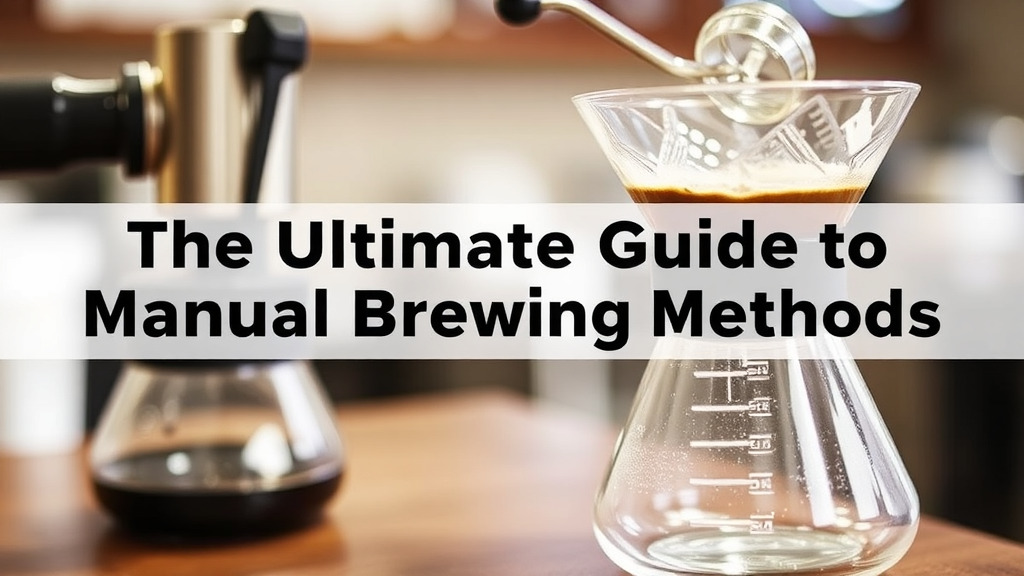

Exploring the Essentials of Manual Brewing Methods for Beginners
If you’re a coffee enthusiast eager to explore manual brewing methods, you’ve come to the right place! This guide will introduce you to the essentials of manual brewing, perfect for beginners. Manual brewing offers a unique experience that enhances your relationship with coffee. Let’s dive into the various methods and tips to get you started on this flavorful journey.
Understanding Manual Brewing
Manual brewing refers to making coffee without the use of automatic machines. It allows you to control every step in the brewing process, from the grind size to the water temperature. This hands-on approach gives you the freedom to experiment with flavors and brewing times, leading to a richer coffee experience.
Basic Equipment You’ll Need
Before starting, gather some essential tools:
- Scale: A digital scale helps you measure coffee grounds and water accurately.
- Grinder: A burr grinder is ideal for a consistent grind size.
- Kettle: A gooseneck kettle allows precise pouring and temperature control.
- Brewing Device: Choose from options like a French press, pour-over, or AeroPress.
- Filters: Depending on your brewing device, you may need paper or metal filters.
Popular Manual Brewing Methods
Now, let’s examine some of the most popular manual brewing methods, each offering a unique experience.
1. Pour-Over
The pour-over method provides great control over the brewing process. It involves pouring hot water over coffee grounds in a filter. Here’s how to do it:
- Heat water to around 200°F (93°C).
- Weigh out your coffee – about 1-2 grams per 16 grams of water is a good starting point.
- Bloom the coffee by pouring just enough water to cover the grounds and wait for 30 seconds.
- Slowly pour the remaining water in a circular motion.
- Allow the water to drip through completely.
This method highlights the coffee’s brightness and delicate flavors.
2. French Press
The French press is easy to use and produces a rich, full-bodied cup. Here’s how you can brew coffee using a French press:
- Coarsely grind your coffee beans (1:15 coffee-to-water ratio).
- Boil water and let it cool for about 30 seconds.
- Add the coffee grounds, then pour water over them.
- Stir gently, place the lid on, and let it steep for 4 minutes.
- Press the plunger down slowly and pour.
This method gives a robust cup with an inviting aroma.
3. AeroPress
The AeroPress is a versatile tool that can make coffee similar to espresso. To use an AeroPress:
- Measure your coffee (1:15 ratio) and grind it to a fine consistency.
- Heat water to 200°F (93°C).
- Add coffee to the AeroPress and pour hot water over it.
- Stir, let it sit for 30 seconds, then press the plunger gently.
This method produces a smooth and concentrated cup, perfect for adding milk or enjoying straight.
Key Tips for Beginners
As you start your manual brewing journey, consider these tips:
- Practice Good Grinding: The grind size significantly influences the flavor profile. Experiment to find what works best for your method.
- Water Quality Matters: Use filtered water for a cleaner taste and avoid any off-flavors.
- Timing is Crucial: Keep an eye on brewing times to prevent over-extraction or under-extraction.
- Keep It Clean: Regularly clean your equipment to maintain the best flavors.
Resources to Explore More
To further enhance your knowledge and skills in manual brewing methods, consider visiting these helpful websites:
- Home Barista – A rich source of information for coffee enthusiasts.
- Sweet Maria’s – Great for coffee bean sourcing and brewing tips.
- Coffee Adventures – Offers advice and techniques for manual brewing.
Manual brewing can transform your coffee experience, making it fun and educational. Embrace the process, and enjoy discovering the flavorful world of coffee!
The Importance of Freshly Ground Coffee in Manual Brewing
Coffee lovers often find themselves at a crossroads when deciding how to brew their perfect cup. If you are venturing into manual brewing methods, one key secret stands out: using freshly ground coffee. Freshness can transform your brewing experience and elevate your daily cup to a new level of enjoyment.
To understand the impact of freshly ground coffee, let’s explore some essential points surrounding this topic. When coffee beans are ground, the surface area increases dramatically, allowing for quicker extraction of flavors and aromas. Over time, ground coffee loses its essential oils and volatile compounds, which leads to a loss of flavor and freshness. Therefore, grinding your coffee just before brewing is vital for achieving the best taste.
Why Freshness Matters
Freshly ground coffee provides numerous benefits. Here are a few reasons why you should consider grinding your coffee just before you brew:
- Enhanced Flavor: Freshly ground beans release their oils and aromas, making each cup richer and more flavorful.
- Bolder Aroma: The aroma of freshly ground coffee is undeniable. It is fragrant and can elevate your mood even before your first sip.
- Optimal Brewing: Fresh coffee grounds ensure a more even extraction during brewing, leading to a balanced taste. Ground coffee that has sat for a while may extract unevenly, resulting in a bland or overly bitter cup.
- Customizable Grind Size: Manual brewing methods often require specific grind sizes for optimal results. Grinding at home lets you adjust the coarseness according to your chosen brewing method, whether it’s French press, pour-over, or Aeropress.
Manual Brewing Methods Requiring Freshly Ground Coffee
While various manual brewing methods exist, a few stand out where freshness becomes particularly crucial:
French Press
Known for its bold flavor, a French press benefits immensely from freshly ground coarse coffee. Using coarser grounds allows for the essential oils to be fully extracted while minimizing sediment in the cup.
Pour-Over
This method is all about control. Using freshly ground coffee means you can fine-tune your grind size to affect the extraction time and brewing temperature, ensuring that you create a perfectly balanced cup of coffee.
Aeropress
This versatile brewing tool works well with freshly ground coffee, especially since you can experiment with different grind sizes and brewing times. The freshness of the grind allows you to enjoy both fruity and chocolaty flavor notes.
Tips for Grinding Coffee at Home
Investing in a good coffee grinder is essential for maintaining the freshness of your grounds. Consider the following tips to enhance your home coffee experience:
- Choose the Right Grinder: Burr grinders are preferred over blade grinders because they provide consistent particle sizes that contribute to better extraction.
- Store Beans Properly: Keep your coffee beans in an airtight container in a cool, dark place to preserve their freshness as long as possible.
- Only Grind What You Need: To retain freshness, grind only the amount of coffee you will use for that day.
By grinding your coffee just before brewing, you unlock a world of flavors and aromas that can profoundly change your coffee routine. Whether you opt for French press, pour-over, or Aeropress, the importance of using freshly ground coffee cannot be overstated. Not only does it make a significant difference in flavor and aroma, but it also elevates your entire brewing experience.
If you’re looking to deepen your understanding of manual brewing methods and improve your coffee game, check out Home-Barista for expert tips and detailed guides. For those wanting to explore the nuances of grind size and brewing techniques, Coffee Adventures offers a wealth of information on achieving that perfect cup.
With every cup you brew using freshly ground coffee, you not only delight your senses but also become part of a growing community that appreciates the art of coffee. Whether you are new to manual brewing or looking to enhance your skills, freshly ground coffee will always be your best ally.
Comparing Popular Manual Brewing Techniques: Pour Over vs. French Press
Coffee lovers often seek the best ways to brew their favorite beverage, and manual brewing methods, particularly Pour Over and French Press, stand out as popular choices for crafting a personalized cup. Understanding the nuances of each technique can help you determine which brewing method best suits your taste preferences.
Pour Over Brewing
Pour Over is known for its clean and bright flavors. This technique involves pouring hot water over coffee grounds in a filter, allowing gravity to extract the flavors as the water passes through. To brew using the Pour Over method, follow these steps:
- Choose Your Equipment: You will need a pour over brewer, such as a Hario V60 or a Chemex.
- Use Fresh Coffee: Grind your coffee beans just before brewing for optimum freshness, aiming for a medium-fine grind.
- Measure Your Coffee: A good starting point is using 1 to 2 tablespoons of coffee per 6 ounces of water.
- Heat Your Water: Bring water to about 200°F, just off boiling.
- Bloom Your Coffee: Pour a small amount of hot water over the grounds to let them bloom, releasing trapped gases.
- Continue Pouring: Slowly pour water in a circular motion over the coffee grounds, allowing the water to flow evenly through.
Here are the benefits of the Pour Over method:
- Offers precise control over the brewing process.
- Enhances the clarity and brightness of coffee flavors.
- Can be a visually appealing process.
French Press Brewing
The French Press method, often referred to as press pot or plunger pot, produces a rich and full-bodied coffee. This technique involves steeping ground coffee in hot water and then pressing a metal or plastic plunger through a mesh filter to separate the grounds from the brewed coffee. Here’s how to brew with a French Press:
- Select Your French Press: Choose a model that fits your brewing needs, such as Bodum.
- Use Coarse Coffee Grounds: Grind your beans to a coarse grind to avoid over-extraction.
- Measure Your Coffee: Use a ratio of approximately 1:15 coffee to water for a balanced cup.
- Heat Your Water: Use water heated to around 200°F.
- Combine Coffee and Water: Add coffee grounds to the French Press, then pour hot water over them.
- Steep: Allow the mixture to steep for about 4 minutes.
- Press and Pour: Slowly press the plunger down, separating the grounds from the liquid, then pour your coffee.
Benefits of the French Press include:
- Full-bodied coffee with robust flavors.
- Simple and easy to use without complex equipment.
- Less likely to lose oils that provide flavor due to the mesh filter.
Comparing Pour Over and French Press
Both methods yield enjoyable coffee, but they cater to different preferences.
- Flavor Profile: Pour Over generally produces a cleaner taste, while French Press brings out a heavier body and more pronounced oils.
- Control: Pour Over allows for more control over brewing time and water temperature. French Press is more straightforward, focusing on steeping time.
- Cleanup: Pour Over typically involves more cleanup due to the filter, whereas French Press requires just rinsing the plunger and pot.
- Brewing Time: Pour Over takes a bit longer, while French Press is quick and convenient.
Regardless of your choice between Pour Over and French Press, both methods offer a unique and rewarding experience for coffee enthusiasts. To learn more about brewing techniques, visit Home Grounds or Perfect Daily Grind for tips and guides.
Essential Equipment for Home Manual Brewing: What You Need
Brewing coffee manually at home is an art that offers unparalleled flavor and personal satisfaction. To achieve the best results, having the right equipment is essential. Let’s explore the vital tools and gadgets that every beginner should consider for effective manual brewing.
Coffee Maker Options
When diving into manual brewing, the type of coffee maker you choose will significantly influence your brewing experience and the quality of your coffee. Here are a few popular options:
- Pour-Over Dripper: A pour-over dripper, like the Calyan Pour-Over, allows you to control the water flow over the coffee grounds, enhancing flavor extraction.
- Aeropress: The Aeropress is a compact, portable device that uses pressure to brew coffee quickly. It’s great for producing rich, smooth coffee and is quite user-friendly.
- French Press: Often recommended for beginners, the French Press immerses coffee grounds in boiling water, delivering a bold flavor. Brands like Bodum offer various styles that fit any kitchen.
- Chemex: With its elegant design, the Chemex not only brews delicious coffee but also adds aesthetic appeal to your kitchen. This method encourages a clean, crisp flavor.
Grinder
A good grinder is crucial for coffee brewing because the grind size affects the extraction process. For manual brewing, a burr grinder is recommended over a blade grinder as it provides more consistent results.
- Burr Grinder: Invest in a quality burr grinder, such as the OXO Conical Burr Grinder. It can grind beans at various settings to suit different brewing methods.
- Hand Grinder: For those who travel or prefer a more hands-on approach, a hand grinder is compact and easy to use, like the 1Zpresso JX Grinder.
Kettle
The kettle you use can dramatically affect your brewing experience. A kettle with good temperature control and a gooseneck spout gives you precision when pouring.
- Gooseneck Kettle: An electric gooseneck kettle, such as the Breville BKE820XL, allows you to reach the perfect temperature quickly and pour with accuracy.
- Stovetop Kettle: If you prefer a classic approach, consider a stovetop gooseneck kettle like the Fellow Stagg for optimal control.
Accessories
Aside from the primary equipment, a few accessories can enhance your manual brewing experience:
- Coffee Scale: A digital scale helps ensure precision in measurements, aiding consistency in your brews. The Hario Drip Scale is a reliable option.
- Thermometer: Maintaining water temperature is crucial for optimal extraction. A simple kitchen thermometer can help you achieve the right brewing temperature.
- Coffee Containers: Use airtight containers for storing coffee beans to preserve freshness. Brands like Coffeevac offer smart storage solutions.
Experimenting and Learning
With the essential equipment listed above, you’re set to start brewing. Manual coffee preparation requires practice, so don’t be afraid to experiment with different methods and ratios to find what works best for you. There are excellent resources available, such as Home-Barista and Coffee Compass, which offer tips and guidance on mastering manual brewing techniques.
Remember, the joy of manual brewing lies not only in the final cup but also in the process itself. Enjoy the journey, and happy brewing!
Step-by-Step Guide to Mastering the Pour Over Technique
The pour-over brewing method is a favorite among coffee enthusiasts for its ability to highlight the nuances of flavor in a cup. Mastering this technique allows you to take control over several variables that influence the taste of your brew. Here’s a step-by-step guide to help you get the most out of the pour-over process.
Gather Your Equipment
Before you begin, make sure you have the following tools:
- Coffee scale
- Gooseneck kettle
- Pour-over brewer (like a V60 or Chemex)
- Coffee filter
- Fresh coffee beans
- Grinder
- Thermometer (optional)
Select Your Coffee Beans
Choosing the right coffee beans is crucial in crafting a perfect cup. Opt for freshly roasted beans, ideally within two weeks of roasting. Look for beans with flavor profiles that interest you—whether it’s fruity, nutty, or floral. For beginners, sticking to light to medium roasts can yield enjoyable flavors without overwhelming bitterness.
Measure Your Coffee and Water
A good ratio for pour-over brewing is 1:15, which means for every gram of coffee, you’ll need about 15 grams of water. Start by experimenting with this ratio to find what suits your palate. For instance, if you’re using 20 grams of coffee, you’ll need around 300 grams of water.
Grind Your Coffee
Grind your coffee just before brewing to retain maximum freshness. The grind size for pour-over should be medium to medium-fine. It should resemble granulated sugar—fine enough to extract flavor but not so fine that it clogs the filter.
Boil Water and Let It Cool
Heat your water to around 200°F (93°C). If you don’t have a thermometer, bring water to a boil and let it sit for 30 seconds. Using slightly cooler water can help preserve some delicate flavor notes in lighter roasts.
Prepare Your Brewer
Place the filter into your pour-over brewer and rinse it with hot water to eliminate any paper taste and preheat your equipment. Dispose of the rinse water afterward to avoid diluting your coffee.
Start Brewing
Place your brewer on the scale and add the ground coffee. Tare the scale to zero. Now, it’s time to pour! Follow these steps:
- Bloom: Start by pouring just enough water (about twice the weight of the coffee) to saturate the grounds. Let it sit for 30-45 seconds. This step helps release carbon dioxide.
- First Pour: Gently pour water in a circular motion to soak all the grounds evenly, gradually working your way outwards. Stop pouring when you reach your target weight.
- Second Pour: Allow the coffee to drip, then pour again in a circular motion. Focus on aiming for even saturation without rushing the process.
Repeat the second pour step until you reach the desired amount of final brewed coffee.
Taste and Adjust
Once your brew is complete, taste your coffee. Tweak the variables such as grind size, coffee-to-water ratio, and pouring technique based on your preference. Don’t hesitate to experiment; the beauty of pour-over lies in its versatility!
Resources for Continued Learning
To further deepen your understanding of the pour-over method, visit Home Grounds for more tips, or check out Coffee Confidential to learn about brewing times and techniques that refine your skills.
With practice, you’ll soon be able to create the perfect pour-over coffee that suits your taste buds. Enjoy your brewing journey!
Tips for Achieving the Perfect Brew: Water Temperature and Coffee Ratio
Getting the perfect cup of coffee is both an art and a science. Two crucial factors in this equation are water temperature and coffee ratio. Understanding how each component works together can elevate your coffee game from mediocre to exceptional. Follow these tips to master water temperature and coffee ratio for an outstanding brew, whether you are using a manual method or an electric machine.
Water temperature is a key player when it comes to brewing coffee. The right temperature can enhance flavors, while water that is too hot or too cold can lead to undesirable results. For most brewing methods, the ideal water temperature ranges between 195°F to 205°F (90°C to 96°C). It’s important to note that boiling water, which reaches 212°F (100°C), should never be used as it can scald the coffee, resulting in bitter flavors.
Finding the Right Temperature
Here are some tips to ensure you’re hitting that temperature sweet spot:
- Use a thermometer: Investing in a kitchen thermometer can take the guesswork out of brewing. You can also use a simple trick; bring water to a boil, then let it sit for 30 seconds to reach about 200°F.
- Know your method: Different brewing methods may require slightly different temperatures. For instance, pour-over coffee benefits from slightly cooler water, around 195°F, while espresso can handle temperatures at the higher end of the scale.
- Experiment: Don’t be afraid to try brewing at varying temperatures. You may discover new flavor profiles that suit your taste.
Perfecting the Coffee Ratio
The coffee-to-water ratio is another fundamental component when brewing coffee. This ratio determines the strength and flavor of your cup. A common starting point is a ratio of 1:16, which means 1 gram of coffee for every 16 grams of water. However, this can be adjusted based on your preferences.
General Ratios for Different Brewing Methods
- Drip Coffee: Start with 1:16 ratio. Adjust to taste.
- French Press: A stronger brew with a 1:15 ratio works well.
- Pour-Over: Stick to the standard 1:16, but you can tweak it based on how you like your coffee.
- Espresso: Use a 1:2 ratio, which translates to 18-20 grams of coffee to 36-40 grams of water.
When crafting the perfect cup, here are some additional tips to consider for both water temperature and coffee ratios:
- Grind Size: The grind size of your coffee beans also affects how much coffee you will need. Finer grinds extract faster, so you may need a lesser amount compared to coarser grinds.
- Freshness Matters: Always use freshly roasted coffee beans. Stale coffee can alter the taste regardless of how perfect your water temperature and coffee ratio are.
- Taste Test: Ultimately, your palate is the best judge. Don’t hesitate to adjust ratios based on your taste over time. Brew with the starting guidelines, and then modify them to suit your preference.
For even more detailed insight into these brewing techniques, you may want to explore credible coffee resources available online. Check out Stumptown Coffee for educational articles about brewing methods, or visit Coffee Adventures for tips on perfecting your coffee brewing experience.
With these insights into water temperature and coffee-to-water ratios, you’ll be well on your way to brewing the perfect cup. Remember, every coffee lover has their preferred methods and tastes. Enjoy the journey of discovery as you fine-tune your brewing skills!
Common Mistakes to Avoid When Starting Manual Brewing at Home
When you take the plunge into manual brewing at home, it can be an exciting journey filled with delightful aromas and flavors. However, several common mistakes could lead to a disappointing cup of coffee, especially for beginners. Being aware of these pitfalls will help ensure a smoother brewing experience.
Using the Wrong Coffee Beans
Your choice of coffee beans significantly impacts the flavor of your brew. Many beginners overlook the importance of quality beans. Instead of purchasing pre-ground coffee or stale beans, opt for freshly roasted whole beans. Invest in quality beans from reputable roasters. Remember, beans lose their freshness quickly. Always check the roast date on the packaging, and try to use them within a month for optimal flavor.
Ignoring Grind Size
The grind size of your coffee beans plays a vital role in the brewing process. If your grind is too coarse, the coffee may end up weak and under-extracted. On the other hand, a grind that is too fine can lead to over-extraction, resulting in bitterness. To achieve the perfect balance, experiment with different grind sizes for each method you use, whether it’s pour-over, French press, or AeroPress.
Not Measuring Ingredients Accurately
Precision is key in manual brewing. Many beginners fail to measure their coffee and water accurately, resulting in an inconsistent brew. Use a kitchen scale to weigh the coffee and water. The commonly suggested ratio is 1:15, meaning for every gram of coffee, you should use 15 grams of water. A good starting point could be:
- Sudden adjustments: Start with 20g of coffee to 300ml of water.
- Experiment: Adjust the ratio to suit your taste.
This practice will help you produce a more consistent and enjoyable cup.
Overlooking Water Quality
The quality of the water you use can make a huge difference in your coffee. Using tap water that contains chlorine or other impurities can spoil the taste. Ideally, you should use filtered or bottled water, which can enhance the overall flavor. Also, ensure that your water temperature is between 195°F and 205°F (90-96°C) during brewing for optimal extraction.
Not Preheating Equipment
Many beginners skip the step of preheating their brewing equipment. This simple act can prevent temperature drops that lead to subpar coffee extraction. Before you start brewing, rinse your brewing device and cups with hot water. This not only keeps your drink nice and warm but also helps in achieving the right temperature throughout the brewing process.
Being Impatient
Patience is essential in manual brewing. A common mistake is rushing the process. Take your time to brew, allowing water to flow through the coffee grounds at the right pace. If using a method like pour-over, pour steadily, ensuring even saturation. Allow enough brewtimes according to your chosen method. A little extra time can make a significant difference in flavor.
Forgetting to Clean Equipment
Dirty equipment is a recipe for disaster. Oils and coffee residues build up over time and affect the taste of your coffee. After each brewing session, make it a habit to thoroughly clean your tools, whether it’s an AeroPress, a pour-over cone, or a French press. Regular maintenance not only ensures great flavor but also extends the life of your equipment.
Not Keeping Notes
As you explore different brewing methods, take notes on your processes and results. Jot down details like the coffee type, grind size, brew time, and water temperature used. This will allow you to learn from your experiences and refine your techniques over time. Documenting your brewing sessions also helps identify what works best for your palate.
By being aware of these common mistakes and taking steps to avoid them, you can pave the way for a rewarding manual brewing experience at home. Your journey into the world of coffee can be both enjoyable and educational, leading to many flavorful cups ahead.
For additional information on manual brewing methods and tips, check out Home Barista, a resource dedicated to improving your coffee experience with expert advice.
Key Takeaway:
Key Takeaway from “The Ultimate Guide to Manual Brewing Methods for Beginners”
Embarking on the journey of manual brewing can be both exciting and intimidating for beginners, but understanding a few key concepts will help you craft the perfect cup of coffee. In “The Ultimate Guide to Manual Brewing Methods for Beginners,” we explored essential elements that every novice should know.
First, we highlighted the fundamentals of manual brewing. It’s crucial to appreciate that this method allows you to have greater control over the extraction process, resulting in a richer flavor profile. By familiarizing yourself with various techniques, like pour-over and French press, you can decide which suits your taste preferences best.
A significant aspect of successful manual brewing is using freshly ground coffee. Grinding the beans right before brewing maximizes the release of essential oils and flavors, enhancing the overall taste of your coffee. It’s recommended that beginners invest in a quality grinder to ensure consistency in grind size, which is critical for achieving the perfect brew.
We contrasted popular brewing methods, particularly pour-over and French press. Pour-over methods offer precise control over brewing time and water distribution, appealing to those who enjoy a clean and vibrant cup. Conversely, the French press provides a fuller body, as it allows coffee grounds to steep in hot water, extracting oils and flavors effectively. Knowing these differences will assist you in choosing the right method for your preferences.
Equipping your home brewing station with the right tools is essential. Basic equipment, such as a kettle, scale, and brewing device, will set you up for success. We provided a comprehensive list of necessary tools to simplify your shopping process.
Furthermore, our step-by-step guide on the pour-over technique breaks down the process into manageable steps, allowing you to learn at your own pace. To perfect your brew, mastering water temperature and the coffee-to-water ratio is vital. Remember, small adjustments can lead to big flavor changes.
Avoiding common beginner mistakes can save you time, coffee, and frustration. By following the insights shared in this guide, you can enhance your manual brewing skills and enjoy a superior coffee experience at home. With patience and practice, you’ll soon be creating cafe-quality brews in your own kitchen.
Conclusion
Embracing manual brewing methods opens up a world of coffee enjoyment for beginners. By understanding the essentials of brewing, you set the foundation for a rich and flavorful coffee experience. Freshly ground coffee is vital, enhancing the taste and aroma that pre-ground beans simply can’t match.
As you experiment with various brewing techniques, you’ll find yourself drawn to the unique qualities of each method. Comparing pour over and French press reveals how diverse your coffee can be, allowing you to choose a style that fits your palate. Equipping your home brewing station with the right tools is just as important; knowing what you need helps simplify the process and focus on what matters most—the coffee.
Mastering the pour over technique can be incredibly rewarding. Following a step-by-step guide ensures that you achieve consistency, clarity, and delicious results. Key factors like water temperature and coffee-to-water ratio remarkably influence your brew, so don’t overlook these details.
As you embark on your manual brewing journey, be mindful of common mistakes that can affect your coffee quality. Learning from these errors will not only refine your skills but also enhance your coffee enjoyment over time.
By embracing these principles, you’re well on your way to becoming a confident home brewer. Enjoy experimenting, savoring each cup, and ultimately sharing your newfound skills with friends and family. Your perfect brew awaits!